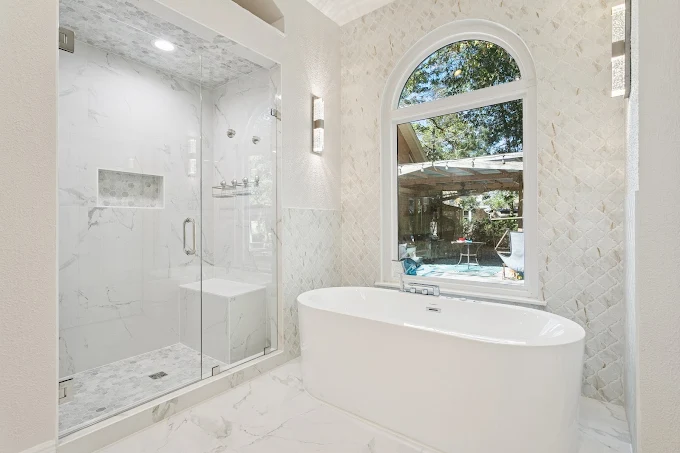

Choosing the Best Interior Paint Colors for Nursery Rooms
When you’re building or remodeling a home, you might think the roof is our only concern. But at Quillen Construction Group, we care about the whole house, and that includes helping you pick the right interior paint colors for rooms like a nursery. Let’s talk plainly about what works in baby rooms, how colors affect mood, and how we handle things if you hire us to finish your interior walls (not just the roof).
Why Nursery Paint Colors Matter (Even from a Roofer)
You might wonder: “Why is a roofing company giving me advice about interior paint colors?” Because Quillen Construction Group often works as your general contractor (see our General Contractor page) and coordinates everything from roof to room finishes. We want your whole house to work well, in looks, safety, and comfort.
Choosing the right color paint in a nursery isn’t just about pretty walls. The color you pick:
- Affects how restful the room feels (strong bright colors might overstimulate)
- Interacts with natural light, making some areas look darker or lighter
- Can make the room easier (or harder) to clean over time
- Should be safe for infants, low odor, low VOCs
So we treat it as a practical decision, not just decoration.
Key Things to Keep in Mind When Picking Interior Paint Colors for a Nursery
We want to help you pick smartly. Below are the practical factors to weigh.
1. Choose a Calm Mood First, Then Pick Hues
Start with how you want the room to feel. Do you want peaceful sleep, a soft day-time play vibe, or a little burst of cheer? Once the mood is clear, pick colors that match. Design guides often suggest neutrals, soft greens, pale blues, or muted pastels for calming energy.
For example, a soft sage green or a gentle warm beige works well as a base, then you might add a muted accent wall for personality.
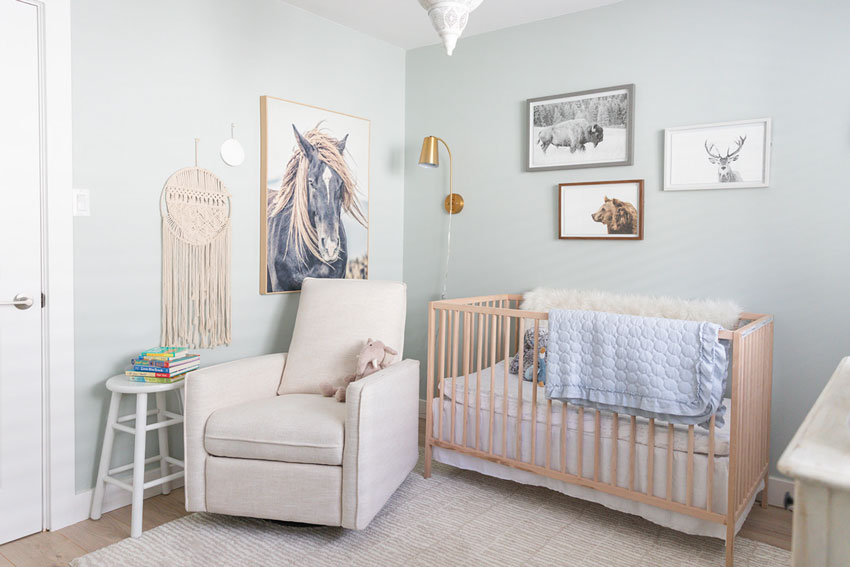
2. Avoid High-Stimulus Colors Over Entire Walls
Bright reds or pure yellows can jolt energy, which is not ideal for naps. Use bold colors sparingly — maybe on one wall or in small areas. The Spruce reminds that warm colors stimulate, so you want them in moderation when a restful space is your goal.
In short: go easy on the “pop,” heavier on the soft.
3. Consider How Light Hits the Room
A color that looks soft in the paint store might look intense when sunlight pours in. Paint swatches look different in the morning, afternoon, and under your room’s artificial lighting. Always test samples on all walls and observe them at different times of day.
4. Pick a Finish That Handles Life
Babies bring messes, spills, fingerprints, scuffs. So finish matters. Many nursery designers recommend:
- Eggshell or satin finish: easy to wipe and forgiving
- Matte/flat finish: hides wall flaws but harder to clean
- Use semi-gloss only for trim, molding, or furniture
This advice aligns with what nursery paint guides suggest.
5. Use Safe, Low-Odor Paints
Babies are sensitive to chemicals. Always go for paints labeled low-VOC, zero-VOC, or certified safe (for example, GREENGUARD). Let the paint cure and ventilate the room before your baby moves in.
Top Nursery Interior Paint Color Ideas That Work
Here are color families that tend to be reliable in a nursery, plus how to use them.
1. Soft Greens & Sage
Green connects with nature and gives a restful, balanced feel. A pale sage is soothing and doesn’t feel too cold. Use as the main tone or on an accent wall.
2. Pale Blues & Muted Teals
Soft blues help calm the mind. Don’t go too dark, or the room could feel heavy. Pair with white or cream trim.
3. Warm Neutrals (Beige, Taupe, Cream)
These are safe bets that age well. They let your baby’s furnishings, toys, and textiles bring color, without the walls fighting for attention.
4. Gentle Pinks, Mauves, or Blushes
Soft blushed tones can feel warm and cozy. Just be sure they’re muted and not saturation-heavy.
5. Accent Wall Ideas
Choose one wall to go slightly deeper in shade, or use a patterned wallpaper or mural. That way, the room keeps its calm but gets visual interest. Many magazines and paint guides suggest accent walls with colors like Evergreen Fog or muted clay tones.
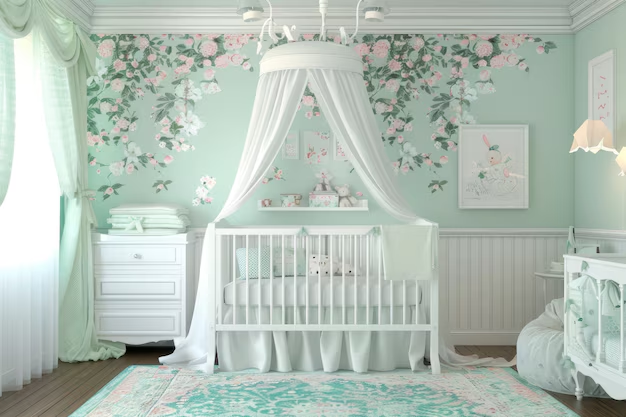
Color Pairing Tips
- Use a lighter version of your accent on adjacent walls
- Keep ceilings and trim in crisp off-white or cream so everything balances
- Bring in accent tones via textiles, rugs, toys — not just wall paint
How Quillen Construction Group Handles It: From Roof to Paint
If you hire Quillen Construction Group to renovate or build, here’s how we manage interior paint (including nursery rooms):
- Consultation & Color Planning. We’ll walk you through possible interior paint colors, considering light, layout, furniture, and safety.
- Sample Swatches on Walls. Before full paint, we put up sample patches so you see real results.
- Surface Prep. We ensure walls are smooth, patched, primed. Poor prep ruins good paint.
- Shielding & Protection. We cover floors, trim, and other rooms before any paint starts.
- Painting with Quality Materials. We use trusted low-VOC or baby-safe paints. We pick the right finish (egg-shell, satin, etc.).
- Final Walk-through & Touchups. After painting, you inspect, and we fix any flaws.
Choosing Quillen means not worrying if your nursery walls will look odd next to the roof or other finishes. We coordinate everything — from roofing to interior painting, kitchen walls, bathroom walls (see our Bathroom Remodeling service) to the nursery.
If your project involves other parts of the home, we also do Kitchen Remodeling and Commercial Contractor work. You get one point of contact for many needs.
Contact Quillen Construction Group Now!
Picking interior paint colors for a nursery is more than aesthetics, it’s about comfort, safety, and a space your child grows into. Soft greens, muted blues, warm neutrals, or gentle blush tones often hit the mark. The finish and the material matter just as much. We aim to deliver a nursery with walls you’ll love and trust.
If you’re ready to build or remodel your nursery (or any part of your home), let Quillen Construction Group take care of it from roof to paint. Call 504-800-4126 or visit our Contact Page to get started. Let us help you make your baby’s room safe, beautiful, and long lasting.
Frequently Asked Questions (FAQs)
Q: How many paint samples should I test?
Try at least 3 in different tones. Place each on different walls (north, south, window wall) and check them in morning/late day light.
Q: When is the right time to paint before baby arrives?
Ideally, finish painting at least a few weeks before the baby moves in. That gives time for off-gassing, drying, and furnishing.
Q: Can I repaint easily later as baby grows?
Yes, especially if you pick neutral or soft base colors now and reserve bold tones for accents.
Q: What paint brands are trusted?
Brands like Sherwin-Williams, Benjamin Moore, or those with zero/low VOC lines are common. Always check labels for safety.