
10 Popular Types of Flooring and Their Pros & Cons
When a client calls Quillen Construction Group and asks, “What kind of flooring should I use?” it’s our job to explain clearly. Even though we’re roofers by trade, we partner with trusted flooring professionals and see first-hand how the types of flooring perform over time. Below is a plain-spoken breakdown of 10 popular flooring kinds, what works, what doesn’t, and when you might pick one over another.
Using simple language, we’ll compare types of flooring, kinds of flooring, and flooring types so you can make a smart decision. And when you’re ready, Quillen Construction Group can connect you with experts, manage the project, and make sure the job gets done right.
Why Flooring Matters
Flooring is more than aesthetics. It’s what you walk on, what gets cleaned, what shapes the feel of a room. The wrong choice can lead to damage, high maintenance, or disappointment. So understanding these types of flooring helps avoid regrets.
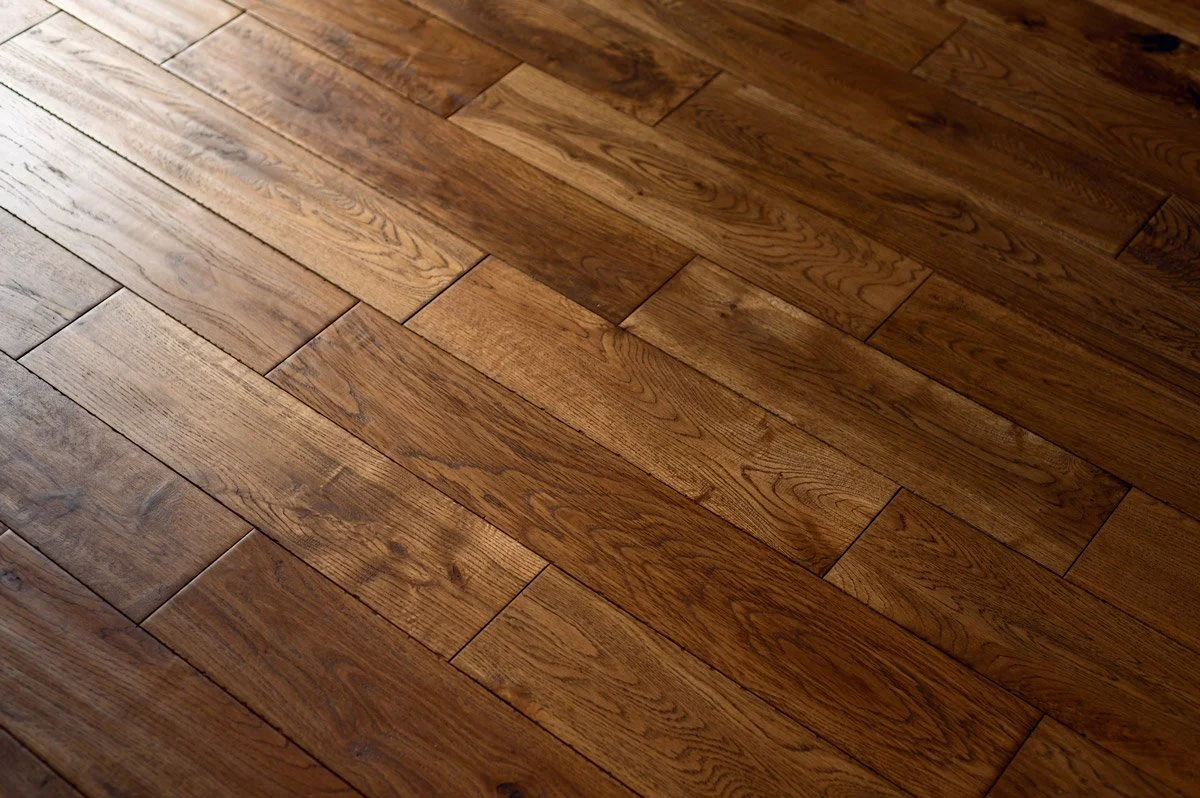
1. Solid Hardwood Flooring
Pros
- Looks timeless and adds real warmth to any room.
- Can be sanded and refinished many times over decades, so its life span is long if well maintained.
- Resale value: many buyers see hardwood as a premium upgrade.
Cons
- Sensitive to moisture: in damp or flood-prone areas (basements, bathrooms) it may warp or cup.
- Cost is high: materials plus installation tends to be one of the priciest options.
- Requires upkeep: occasional refinishing, careful cleaning (no soaking).
When to use it: In living rooms, dining rooms, bedrooms—areas where moisture is controlled and you value elegance.
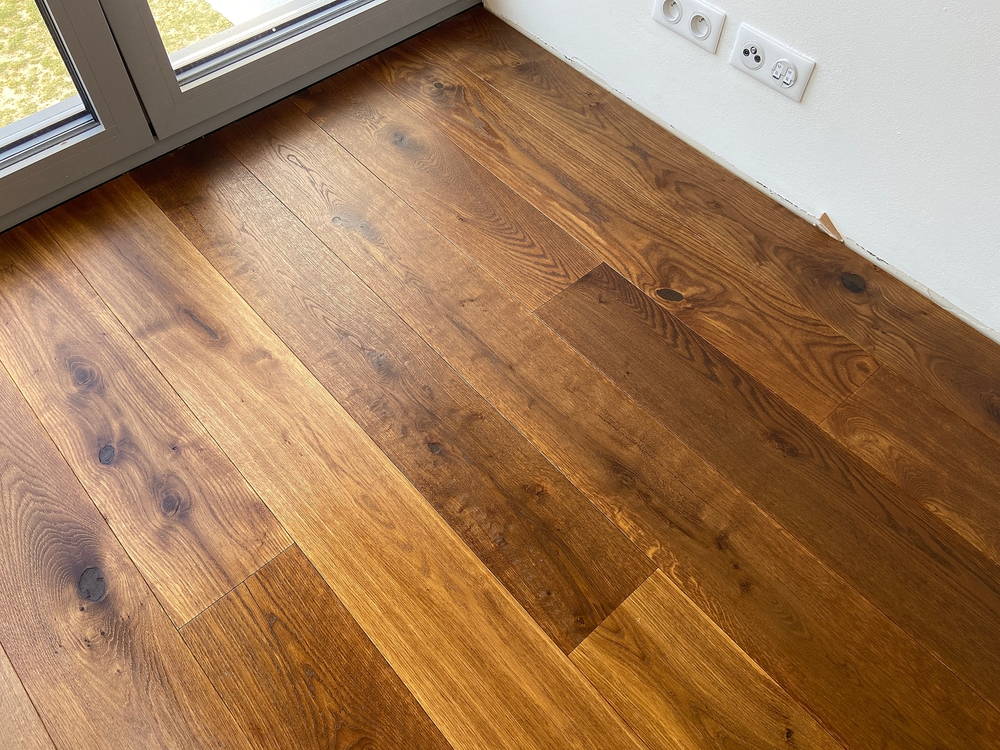
2. Engineered Wood Flooring
Pros
- More stable than solid wood in changing humidity, because multiple layers resist warping.
- Looks nearly identical to solid hardwood (top veneer is real wood).
- Easier to install over subfloors that might be less than perfect.
Cons
- Limited refinishing: you can only sand the top veneer a few times, depending on thickness.
- Cost still not cheap—more expensive than many resilient options.
- Quality varies: lower grade engineered wood can delaminate or show flaws.
Best place: Where you want the wood look but need more dimensional stability, like upstairs rooms over slab floors.
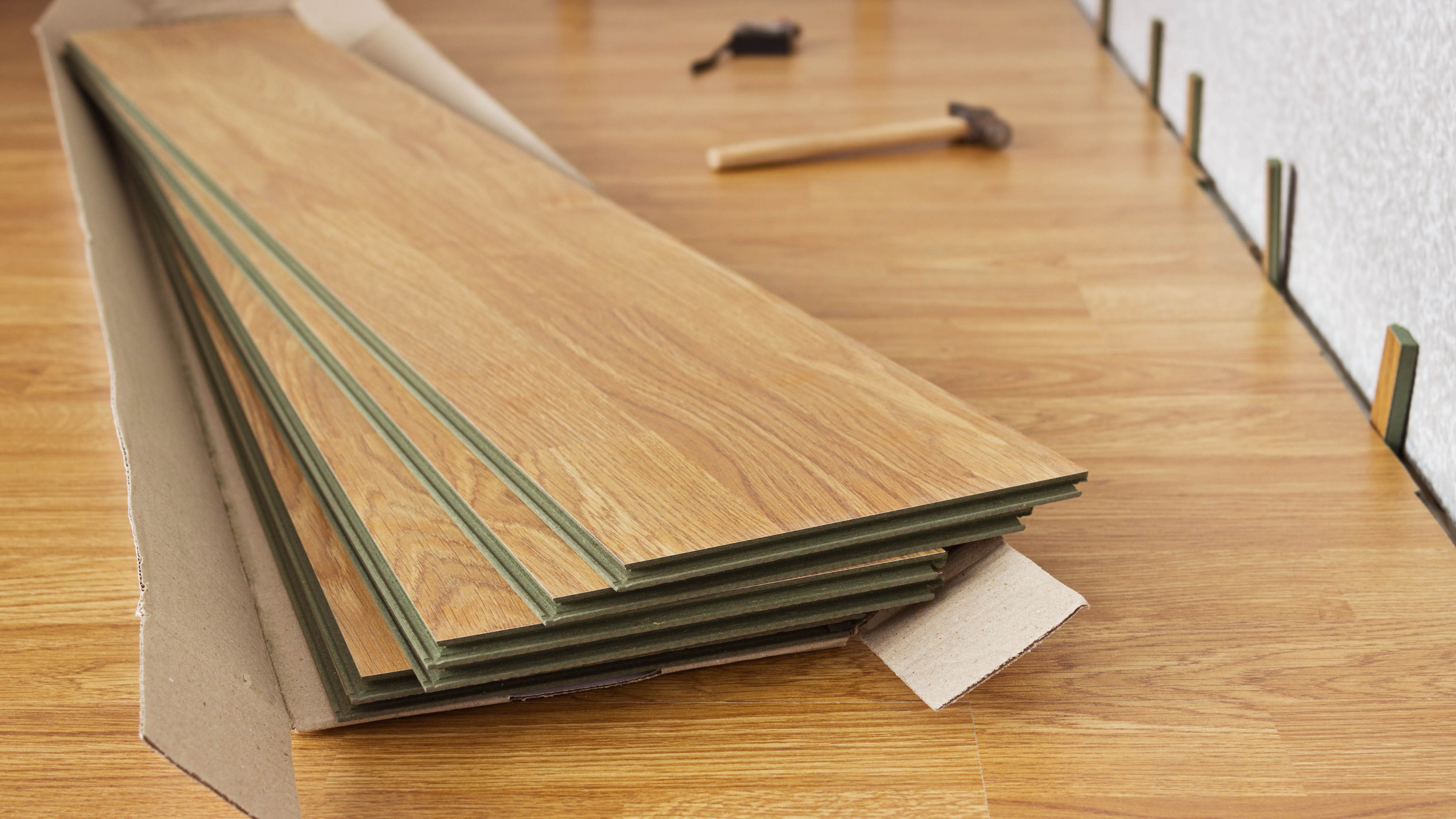
3. Laminate Flooring
Pros
- Very affordable compared to hardwood yet can mimic wood or stone well.
- Easy to install — many systems “click” together, making it faster.
- Hard surface resists scratches, dents, and fading better than many softer types.
Cons
- Susceptible to water damage: seams can swell if moisture gets in.
- Can’t refinish: once the wear layer is gone, you must replace.
- Older laminates might have higher chemical emissions (formaldehyde, etc.)
Where it works best: In bedrooms, hallways, or living rooms—not in bathrooms or laundry rooms.
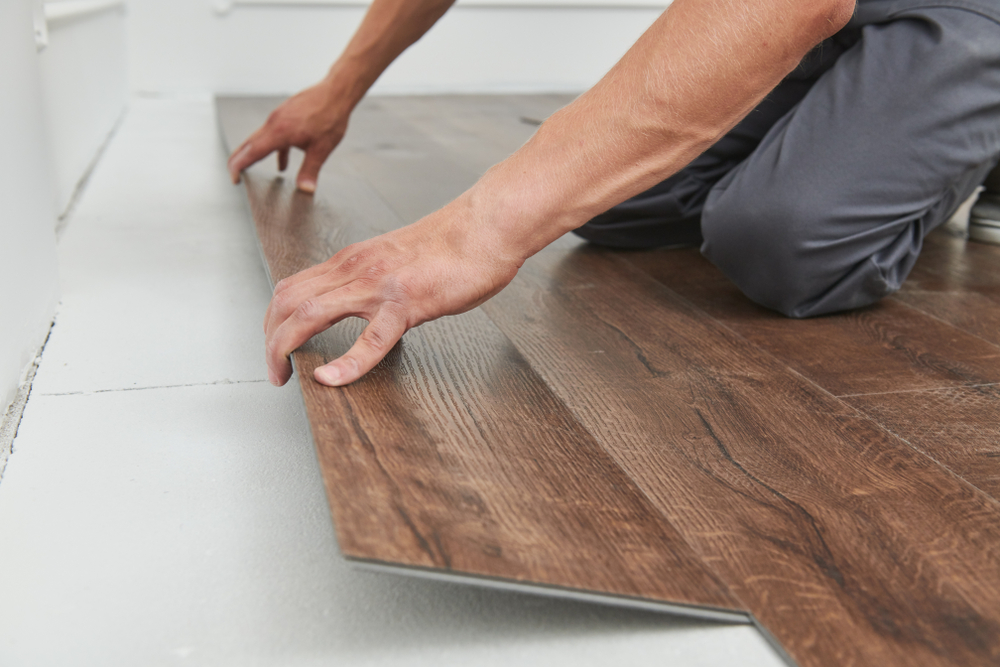
4. Luxury Vinyl / Vinyl Plank / Sheet Vinyl
Pros
- Highly water resistant or even waterproof (especially sheet vinyl).
- Comes in many looks — wood, tile, stone — with less cost.
- Soft underfoot, quiet, easy to maintain.
Cons
- Environmental concerns: vinyl is made of plastic and can release VOCs.
- Hard to remove or recycle at end of life.
- Cheap versions may peel, warp, or show seams over time.
Good picks: Kitchens, bathrooms, basements — anywhere moisture is a factor and you want durability.
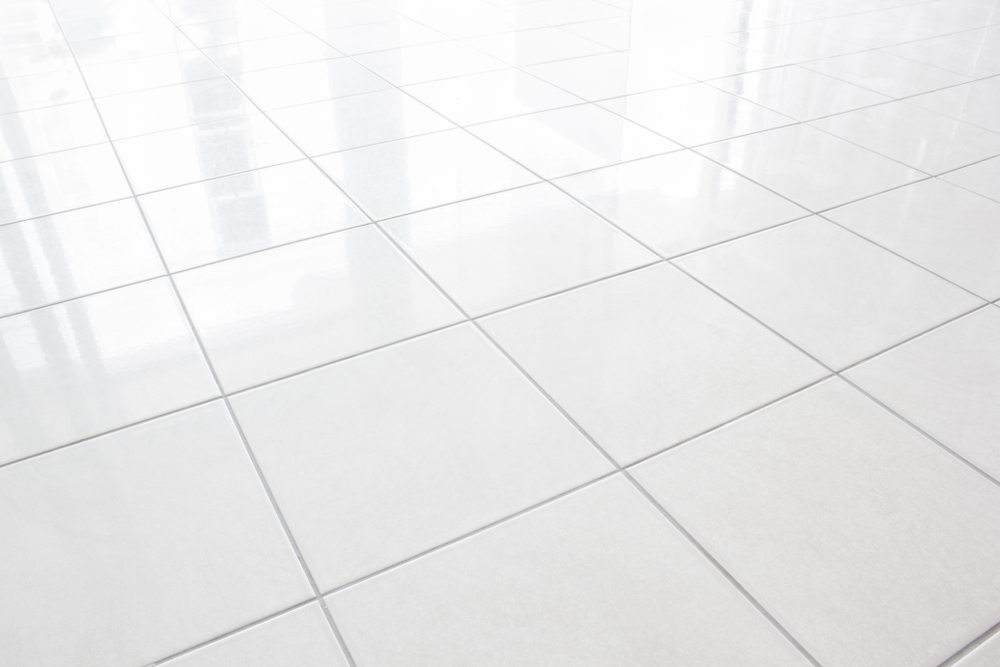
5. Ceramic / Porcelain Tile
Pros
- Very durable, long life if installed well.
- Water and stain resistant when glazed and sealed properly.
- Huge design variety in shapes, colors, patterns.
Cons
- Hard, cold underfoot (you might want underfloor heating).
- Grout lines get dirty and need care.
- Installation cost can be high (labor, leveling, subfloor prep).
Ideal uses: Bathrooms, showers, kitchens, foyers, outdoor patios (if frost rated tile).
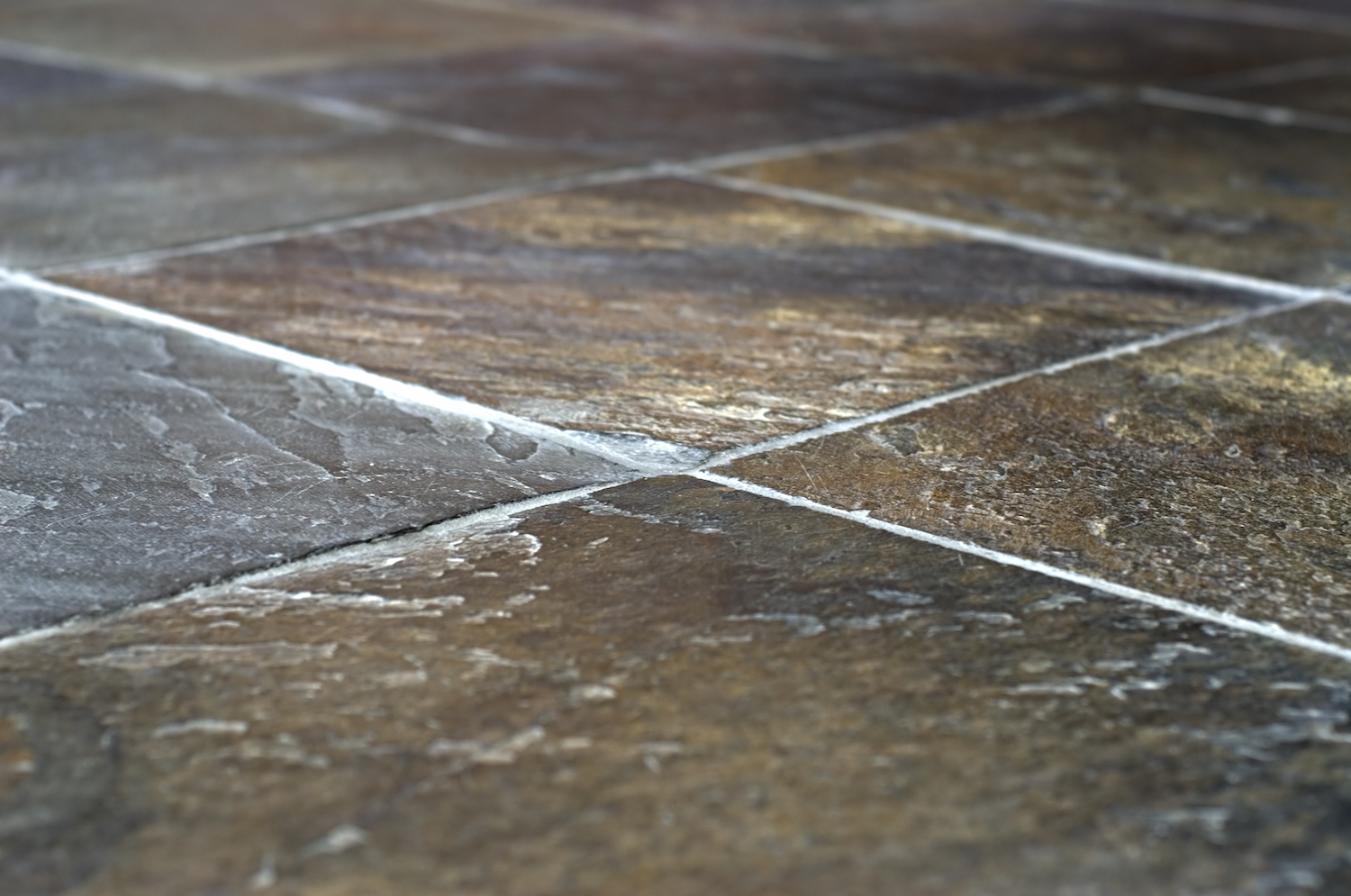
6. Natural Stone (Marble, Slate, Granite, Travertine)
Pros
- Elegant appearance and unique character — no two slabs are exactly alike.
- Very durable when maintained.
- Adds real value and prestige.
Cons
- Expensive: materials and installation are costly.
- Needs sealing and ongoing care to resist stains or etching.
- Heavy: substructure must support it well.
Best for: Entryways, bathrooms (with proper sealing), accent zones where you want luxury.
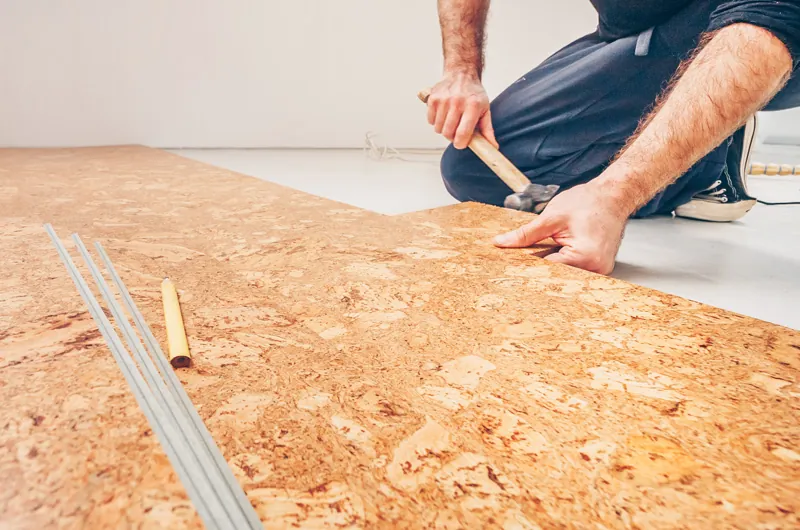
7. Cork Flooring
Pros
- Soft, warm, comfortable underfoot.
- Good acoustic properties (cuts down noise).
- Renewable: cork is harvested from bark without killing trees.
Cons
- Prone to dents with heavy furniture or heels.
- Can fade with sunlight.
- Needs sealing to protect against moisture or spills.
Use it in: Bedrooms, living rooms, offices — areas without extreme moisture.
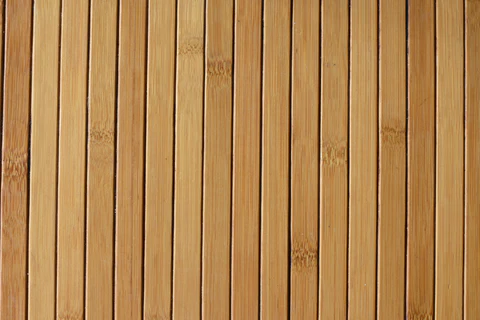
8. Bamboo Flooring
Pros
- Environmentally friendly (fast-growing grass).
- Harder than many hardwoods in certain styles (especially strand-woven).
- Stylish, modern look.
Cons
- Quality varies wildly; poor manufacturing leads to warping.
- Moisture sensitivity—similar issues as hardwood.
- Some products use harmful adhesives.
Where to consider: Living areas, moderate humidity zones, when wanting a green alternative to hardwood.
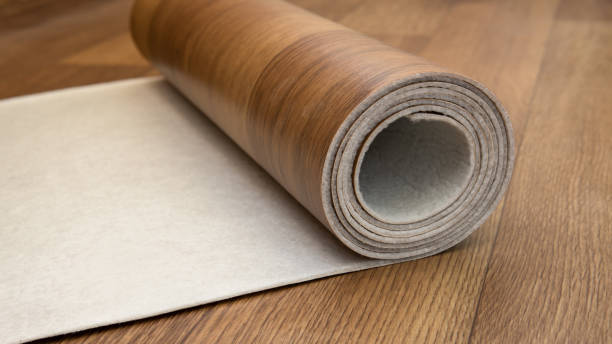
9. Linoleum
Pros
- Natural materials (linseed oil, cork dust, wood flour) — lower VOCs.
- Durable and resilient.
- Available in sheets or tiles with many color patterns.
Cons
- Needs periodic waxing/sealing.
- Can fade in strong sun.
- Edges or seams may lift if installation or subfloor isn’t perfect.
Good for: Kitchens, hallways, schools, public spaces where resilience and eco-factors matter.
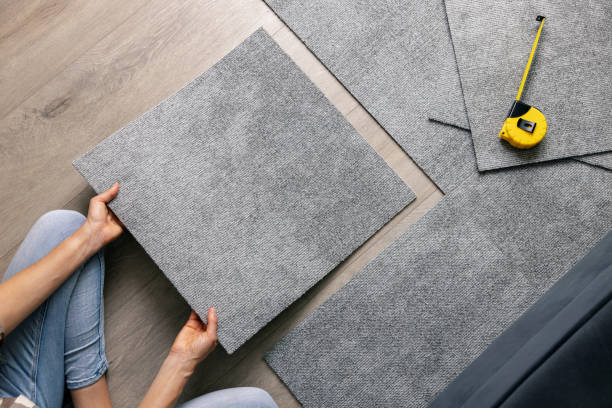
10. Carpet / Carpet Tiles
Pros
- Soft, warm, comfortable underfoot.
- Good for sound absorption: it dampens noise.
- Variety of colors and textures to fit many styles.
Cons
- Stains, spills, and allergens are issues.
- Shorter lifespan than hard surfaces.
- Not ideal in wet areas or places needing easy cleaning.
Best in: Bedrooms, family rooms, offices — quiet zones with limited moisture exposure.
Quick Comparison Table: Flooring Types at a Glance
| Flooring Type | Strengths | Weaknesses | Best Use Areas |
| Solid Hardwood | Classic, refinishable, high value | Moisture sensitive, pricey, needs care | Living rooms, dining rooms |
| Engineered Wood | More stable, wood look | Controlled refinishing, variable quality | Bedrooms, upstairs areas |
| Laminate | Affordable, scratch resistant | Water sensitivity, non-refinishable | Living spaces, hallways |
| Vinyl / Luxury Vinyl | Waterproof, flexible look options | Environmental concerns, cost variation | Kitchens, baths, basements |
| Ceramic / Porcelain Tile | Durable, water tolerant, design variety | Cold, hard, grout maintenance | Bathrooms, kitchens, porches |
| Natural Stone | Premium look, durability | Expensive, sealing needed, heavy | Entryways, showers, accent areas |
| Cork | Soft, warm, eco | Dents, sun sensitivity, sealing needs | Bedrooms, quiet zones |
| Bamboo | Green, hard, modern | Moisture risk, glue quality matters | Living areas |
| Linoleum | Natural, durable, low VOC | Maintenance, seams, fading | Kitchens, halls, eco spaces |
| Carpet / Carpet Tiles | Soft, noise control | Staining, shorter life, cleaning demands | Bedrooms, lounges, offices |
How to Choose Among These Types of Flooring
When helping a client pick flooring, we walk through these factors:
- Moisture & humidity — Some flooring types can’t handle dampness (hardwood, laminate).
- Foot traffic & wear — High traffic zones need durable surfaces (tile, vinyl, engineered wood).
- Budget constraints — Some materials and labor cost more.
- Maintenance capacity — How much effort you’re willing to spend cleaning, sealing, repairing.
- Aesthetic style — The look you want (modern, rustic, classic) affects choice.
- Indoor air quality / health concerns — Go for low VOC, non-vinyl choices when possible.
We’d never push you into the wrong choice. Instead, Quillen Construction Group provides flooring services. We will assesses your space, needs, and climate, and helps pick the right types of flooring you’ll be satisfied with for years.
Why Work With Quillen Construction Group
- Quillen Construction Group coordinates all trades, even outside roofing, to get the job done seamlessly.
- A full network of flooring professionals partners with us, no need for you to juggle multiple contractors.
- All work is supervised for quality, moisture barriers, leveling, transitions, and warranties.
- Even though we’re known for roofing, we manage entire remodels: kitchen (see our Kitchen Remodeling page), bathrooms (see Bathroom Remodeling), general contracting (see General Contractor), or commercial projects (see Commercial Contractor).
When you hire Quillen, you get peace of mind that each flooring job (even though not our main trade) is handled rigorously and with care.
Contact Quillen Construction Group in Louisiana
Choosing among types of flooring is both art and engineering. Each flooring type and kind of flooring has strengths and drawbacks. By comparing them side by side, deciding based on your space, and relying on professionals, you can avoid costly mistakes. Quillen Construction Group is ready to guide you, coordinate the work, and ensure things go smoothly from roof to floor.
When you’re ready to move ahead, call 504-800-4126 or visit our Contact Page to get started. Let Quillen Construction Group handle everything, from roof, down to the floors.
Frequently Asked Questions
Q: Can I mix flooring types in my home?
Yes, transitions are typical (for example, tile at kitchen + wood in living area). Just plan transitions carefully so seams don’t trip or look awkward.
Q: Which flooring is “best” overall?
There’s no one “best flooring” for all situations. It depends on location, moisture, wear, budget, and style needs.
Q: How long will each type last?
With proper care: tile and stone can last 50+ years, hardwood many decades, engineered and vinyl maybe 20–30 years, carpet less in busy zones.
Q: Are cheaper materials bad?
Not always. A well-made midrange product installed properly can outperform a cheap material installed poorly.