

A home addition should never look slapped on at the last minute. It should feel like it has always belonged there. That is the whole point of smart home addition plans. The new space needs to match the roof, siding, windows, trim, and flow of the house. If any one part feels off, the entire project can look patched together.
Quillen Construction Group takes a builder’s view of the job from day one. A good-looking addition is not just about adding square footage. It is about making the old and new work together so the finished home looks clean, balanced, and built with purpose.
That starts at the top. Rooflines, drainage, framing, and tie-ins matter more than many homeowners expect. If the roof pitch does not match, if valleys collect water, or if the addition cuts into the home in a clumsy way, the project can create trouble instead of solving it. That is why strong home addition plans need a contractor who sees the full picture.
Home Addition Plans Should Match the Shape and Style of the Home
The best additions do not fight the house. They follow the home’s lines and keep the design steady from front to back. A room addition can look great on paper and still feel out of place once it is built. That usually happens when the size, roof shape, window placement, or exterior finish do not match what is already there.
Good plans for home additions look at:
Roof pitch and roofline connection.
- The roof should look natural from the street and from the yard. A low, flat add-on stuck next to a steep roof can make the whole house look uneven. A proper tie-in helps the addition shed water the right way and keeps weak spots from showing up later.
Exterior materials and trim details.
- Siding, brick, soffit, fascia, and trim all need to work together. If the old house has clean lines and the new section uses mismatched materials, the addition will stand out for the wrong reason. The goal is a finished look that feels smooth and put together.
Window size and spacing.
- Windows do more than bring in light. They set the rhythm of the outside walls. If the addition uses windows that are too large, too small, or placed at odd heights, the new section can look disconnected.
Home Addition Plans Need a Layout That Feels Natural Inside
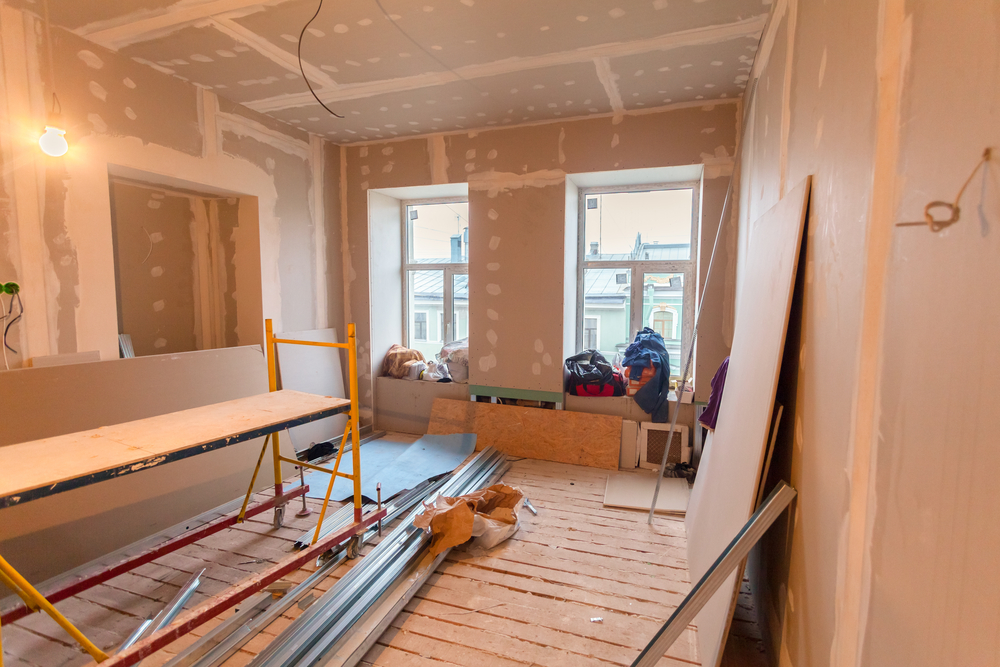
Curb appeal matters, yet the inside matters just as much. A new room should not feel like a detour. It should feel like part of daily life. That is a big part of how to plan a home addition the right way.
The best layout answers simple questions. Where will people enter the space? Does traffic flow make sense? Will the new room block light or crowd an existing area? Will the ceiling height feel right next to the rest of the home?
A clean home addition design keeps the home easy to use. If a family wants a larger kitchen, the new space should connect well with cooking, dining, and storage. If the goal is a new bathroom or guest suite, privacy and plumbing layout should guide the plan. Quillen Construction Group helps homeowners think through these choices before the work starts, which saves time, money, and frustration later.
For homeowners who want to pair an addition with a remodel, Quillen Construction Group can tie the work together through Kitchen Remodeling or Bathroom Remodeling. In many homes, that combined approach creates a smoother result than treating each space as a separate project.
Home Addition Plans Work Best When Structure Comes Before Finishes
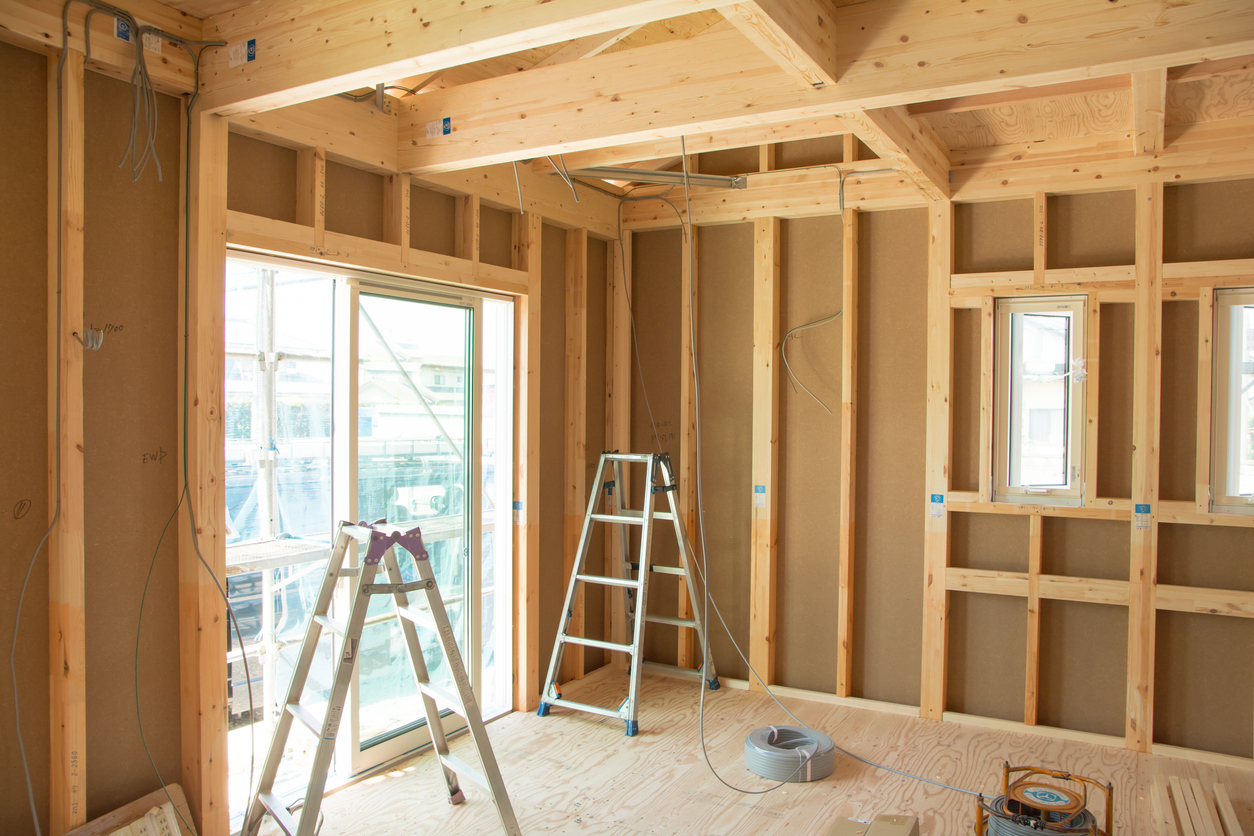
Paint colors and flooring samples are fun to pick. Framing, drainage, roof tie-ins, and load paths are where the real work begins. That may not sound glamorous, yet it is the backbone of a lasting addition.
Here is what matters most during planning:
- The roof connection must be built with care. Water does not forgive sloppy work. If the new roof joins the old roof in the wrong place, leaks can show up fast. A solid plan accounts for slope, flashing, runoff, and ventilation from the start.
- The foundation and framing must support the new load. An addition changes how weight moves through the structure. The framing plan needs to respect that. Cutting corners here can lead to cracks, sagging, and expensive repairs.
- The addition should feel balanced from the outside. A huge bump-out on one side of the home can throw off the whole look. The size of the addition should fit the lot, the home, and the roof structure.
- Permits and code rules cannot be skipped. Many additions require permits and reviews, which is one more reason to plan the job with care. Local permit offices commonly require permits for additions and remodel work.
Home Addition Plans That Add Real Value
A home addition should solve a problem and add comfort at the same time. In some homes, that means a larger family room. In others, it means opening up the kitchen, building a private bath, or adding usable space for work or guests.
Popular choices include:
Kitchen expansions with better flow.
A cramped kitchen can make the whole house feel tight. Opening that space up can improve storage, traffic flow, and daily use. A well-planned addition can connect cooking, dining, and gathering areas in a way that feels easy and natural.
Bathroom additions for busy households.
One extra bathroom can change the way a home works every single day. Morning routines get easier, guests have more privacy, and the home feels less crowded.
Flexible rooms that can change with time.
A bonus room, office, or guest room can serve one purpose now and another later. That kind of flexible planning helps the home stay useful for years.
Quillen Construction Group handles projects as a General Contractor, which helps keep the design, schedule, and build process on track. For business spaces, the same planning mindset carries over through Commercial Contractor services.
Contact Quillen Construction Group for Home Addition Services in New Orleans
Strong home addition plans do more than add square footage. They protect the look of the home, keep the layout practical, and help the new space feel like it belongs. That takes planning, sound construction, and a contractor who can see how every part fits together.
If your home needs more room, Quillen Construction Group is ready to help build an addition that looks right and works right. Call 504-800-4126 or visit the Contact Page to get started.
Home Addition Plans FAQ
What is the first step in how to plan a home addition?
The first step is to decide what problem the addition needs to solve. More space is not enough by itself. The plan should cover function, size, budget, roof tie-in, and how the new space will connect to the rest of the house.
How do home addition plans blend with an older home?
The addition should match the home’s roof pitch, exterior finish, trim, window style, and scale. Inside, the floor plan should feel smooth, not forced.
Can an addition include a kitchen or bath remodel?
Yes. In many homes, that is the smartest path. A connected project often creates better flow and a cleaner finished result.
Why does roofing matter so much in a home addition?
The roof is one of the first things people see, and it is one of the first places problems show up if the work is rushed. Roof tie-ins, flashing, drainage, and pitch all shape how the addition looks and how well it holds up.