

Restaurant owners talk a lot about menus, equipment, and staffing, yet the floor often gets ignored until problems show up. A commercial kitchen runs all day with heat, grease, water, and heavy traffic. That space needs commercial kitchen flooring that holds up under pressure and keeps staff safe. Quillen Construction Group treats kitchen flooring the same way a roofer treats a roof. If the base fails, the whole structure struggles.
Every restaurant kitchen needs flooring that resists slips, cleans easily, and lasts for years. A weak surface cracks, traps bacteria, and slows down operations. That kind of headache costs money fast. Strong commercial kitchen flooring protects the building, supports health standards, and keeps the crew moving without fear of falls.
Why Commercial Kitchen Flooring Matters in a Restaurant
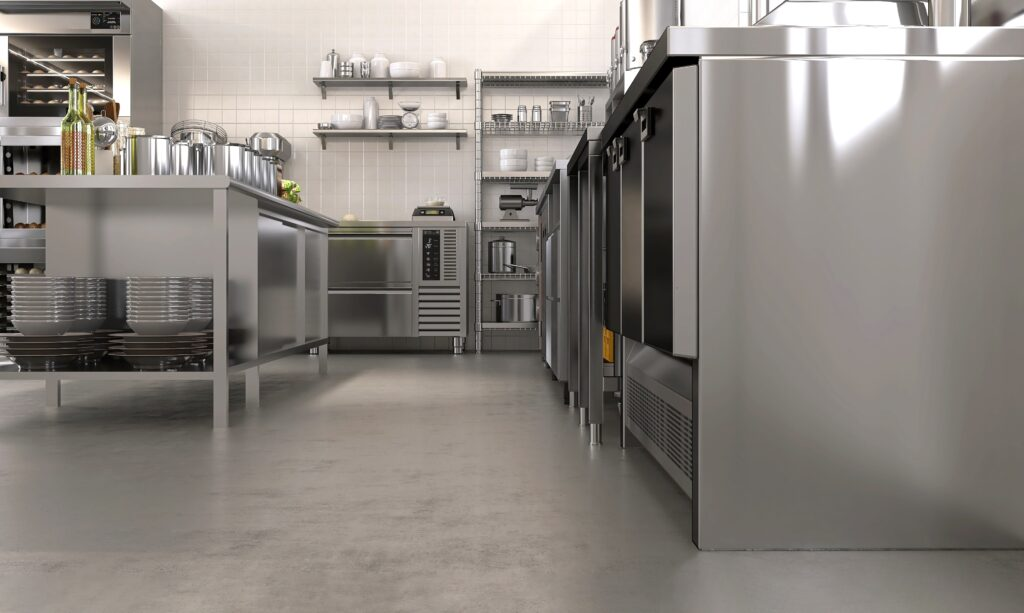
Think about how much punishment a restaurant floor takes in a single shift. Hot pans drop, water spills, carts roll nonstop, and cleaning chemicals scrub the surface. Flooring for a commercial kitchen must act like armor. It absorbs impact, resists moisture, and handles constant washing without breaking apart.
Restaurant flooring plays a major role in safety. Slippery surfaces create accidents, and accidents lead to injuries, insurance claims, and lost workdays. The right commercial kitchen flooring includes a slip-resistant texture that gives traction even during rush hours. Cleanability matters just as much. Health inspectors look closely at floor seams, drains, and sanitation zones. A properly installed system helps restaurants pass inspections without stress.
Quillen Construction Group installs floors with the same discipline used in roofing. Seams get sealed tight, slopes guide water to drains, and materials match the workload of the kitchen. A floor should never feel like a weak link.
Types of Commercial Kitchen Flooring Used in Restaurants
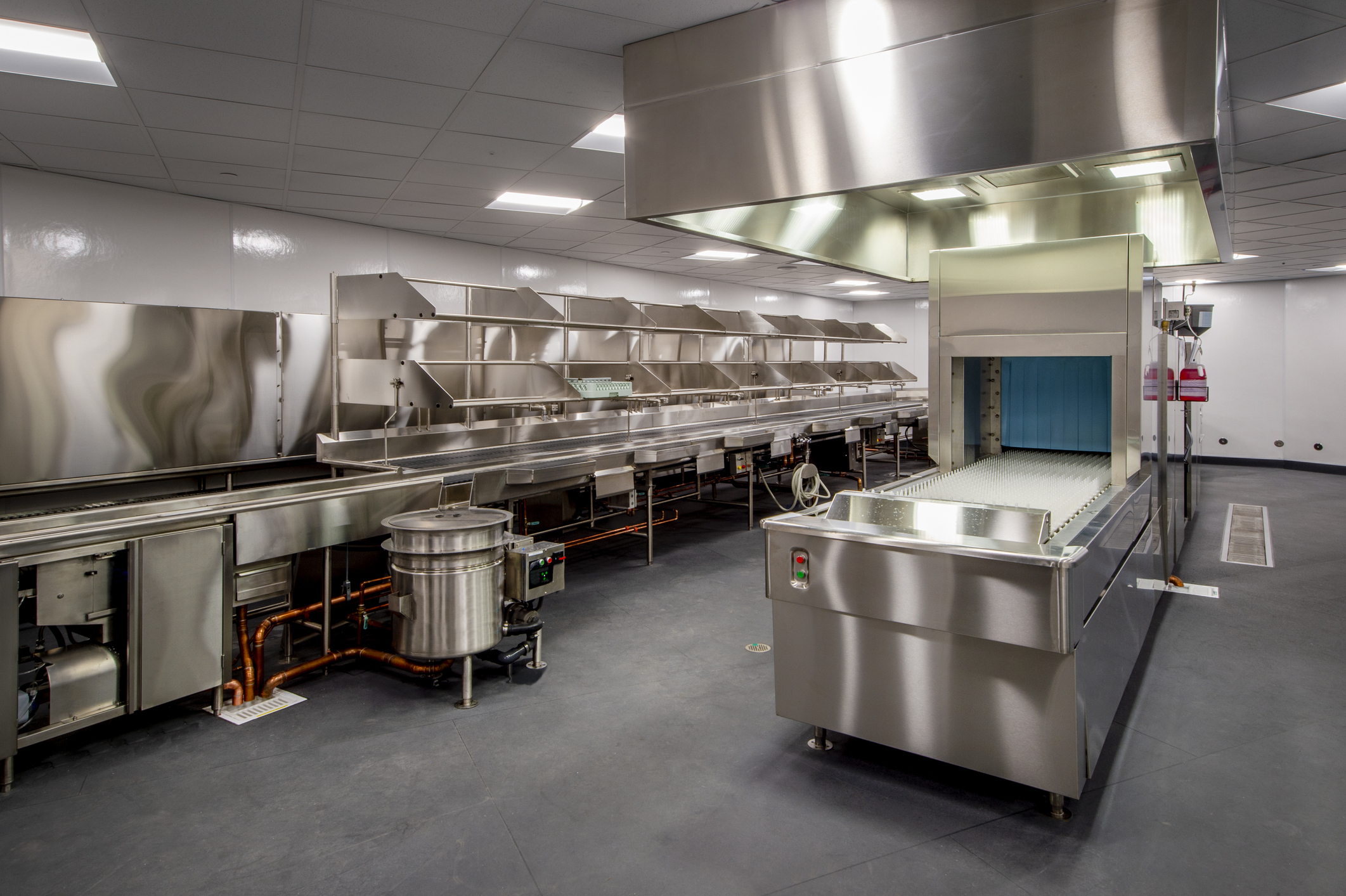
Different kitchens call for different materials. Each option carries strengths that suit certain restaurant styles and budgets. Choosing the right system depends on traffic, cleaning routines, and cooking intensity.
- Commercial kitchen epoxy flooring stands out for its durability. Epoxy forms a seamless surface that blocks moisture and bacteria. That surface handles heavy equipment, chemical cleaners, and daily scrubbing. Epoxy also includes anti-slip additives, which help protect staff during busy shifts. Restaurants that run long hours benefit from epoxy since it cures into a tough shield that resists wear.
- Commercial kitchen tile flooring remains popular in many restaurant builds. Quarry tile holds strong against heat and impact. Those tiles pair with grout systems that resist grease and staining. Tile flooring allows easy replacement of damaged sections, which saves repair costs over time. Kitchens that deal with open flames or high heat often prefer tile since it tolerates extreme temperatures.
- Resin and urethane cement systems offer another option for serious commercial kitchens. These surfaces flex slightly under impact, which reduces cracking. They bond tightly to concrete and resist thermal shock from boiling water dumps. Busy kitchens appreciate that flexibility during heavy service hours.
Each of these choices supports high-performance restaurant flooring. The best decision comes from matching the material to the kitchen workflow.
Installing Commercial Kitchen Flooring the Right Way
Material alone doesn’t guarantee performance. Installation determines how long commercial kitchen flooring survives under stress. A rushed job leads to bubbling, cracks, and water damage. Quillen Construction Group prepares the concrete base carefully before applying any system. Surface grinding removes contaminants, moisture levels get checked, and slopes get corrected.
Drain placement plays a huge role in kitchen sanitation. Floors should guide liquids directly into drains instead of pooling in corners. Standing water creates slip hazards and bacterial growth. Proper installation includes coving at wall edges, which seals the joint between floor and wall. That small detail prevents moisture from sneaking behind surfaces.
Restaurants operate on tight schedules, so installation timelines matter. Quillen Construction Group coordinates work to reduce downtime. Fast-curing systems allow kitchens to reopen quickly without sacrificing durability.
Maintaining Commercial Kitchen Flooring for Long-Term Performance
Even the toughest flooring needs routine care. Daily cleaning removes grease and food waste that could break down the surface over time. Staff should use approved cleaning agents that match the flooring material. Harsh chemicals damage protective coatings and shorten the life of restaurant flooring.
Routine inspections catch small issues before they grow into large repairs. A chipped tile or worn epoxy patch should get fixed early. That simple habit protects the investment in commercial kitchen flooring and keeps the kitchen running smoothly.
Contact Quillen Construction Group for Commercial Kitchen Flooring Services in New Orleans
A restaurant kitchen demands strength from the ground up. Durable commercial kitchen flooring supports safety, sanitation, and daily performance. Weak flooring causes delays, repairs, and inspection problems. Strong flooring protects the business and the people working inside it.
Quillen Construction Group handles restaurant builds with contractor-level discipline. Learn more about working with a trusted General Contractor, expert Kitchen Remodeling, precision Bathroom Remodeling, or a dedicated Commercial Contractor.
Restaurants deserve floors that last. Call Quillen Construction Group at 504-800-4126 or visit the Contact Page to schedule a consultation today. A solid kitchen starts with the right foundation.
FAQs About Commercial Kitchen Flooring
What flooring works best for a high-volume restaurant kitchen?
Epoxy and urethane cement systems perform well in high-traffic kitchens. These materials resist impact, moisture, and chemicals. Restaurants that operate nonstop appreciate their durability.
Does tile still work in modern restaurant kitchens?
Yes, commercial kitchen tile flooring remains a reliable option. Quarry tile handles heat and heavy equipment well. Proper grout and sealing keep the surface sanitary.
How long does commercial kitchen flooring last?
A well-installed system can last many years. Lifespan depends on cleaning habits, traffic, and installation quality. Professional installation increases longevity.
Are slip-resistant surfaces required?
Safety standards strongly favor slip-resistant flooring. The Occupational Safety and Health Administration highlights slip prevention as a workplace priority.
Can flooring installation happen during restaurant renovations?
Yes, and planning helps reduce downtime. Quillen Construction Group coordinates schedules so restaurants reopen as quickly as possible.