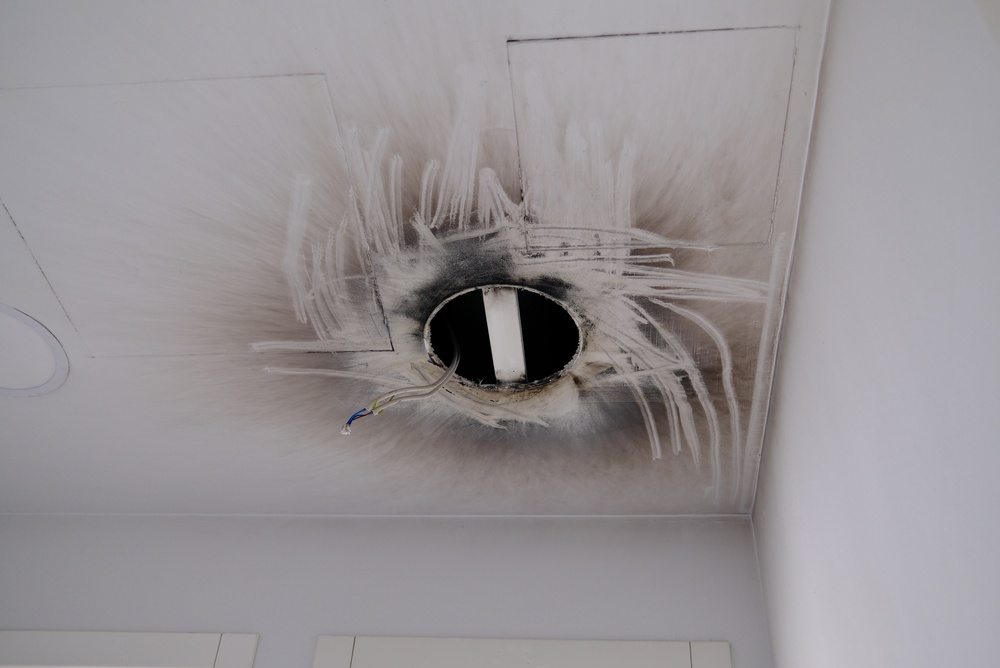

Water damage can start with a roof leak, a burst pipe, storm-driven rain, or a hidden drip that sits too long. At first, it may look like a small stain on a ceiling or a little bubbling paint on a wall. Then the trouble spreads. Wood can swell, drywall can soften, flooring can lift, and mold can begin to grow if the area stays wet. That’s why the water damage restoration process matters so much.
From a roofer’s point of view, water rarely stays in one spot. It travels. It can move from the roof deck into insulation, down wall cavities, across ceilings, and under flooring. So, if the source is not fixed and the wet materials are not handled the right way, the damage can keep getting worse behind the scenes.
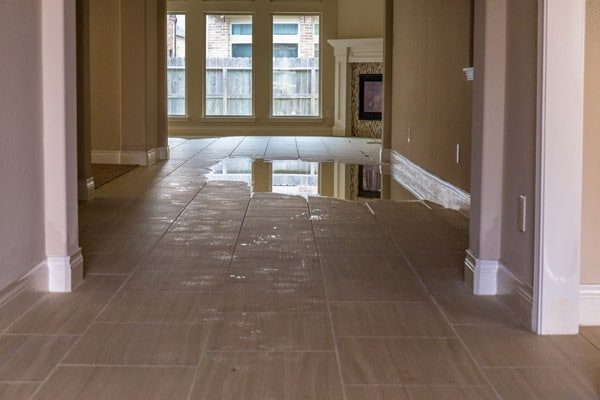
Why the Water Damage Restoration Process Matters So Much?
A lot of property owners ask, “What is water damage restoration?” In simple terms, it is the step-by-step work needed to stop the water, dry the structure, remove damaged materials, clean the area, and rebuild what the water ruined. That work protects the property, helps stop mold, and lowers the chance of bigger repair bills later.
Fast action is a big deal. The U.S. Environmental Protection Agency says water-damaged areas and items should be dried within 24 to 48 hours to help prevent mold growth. That means a slow response can turn a manageable repair into a larger project that affects indoor air, finishes, framing, and daily life.
The Water Damage Restoration Process Starts With Finding the Source
Before any drying or repairs begin, the source of the water has to be found. In many cases, that source is a roofing issue, flashing failure, storm damage, damaged siding, broken plumbing, or poor drainage around the building. If the source stays active, the rest of the job won’t hold up.
Quillen Construction Group starts by looking at the property as a full system. Roof lines, ceilings, attic spaces, wall surfaces, trim, flooring, and moisture paths all matter. That wide view helps catch damage that many people miss on the first pass.
The Water Damage Restoration Process Step by Step
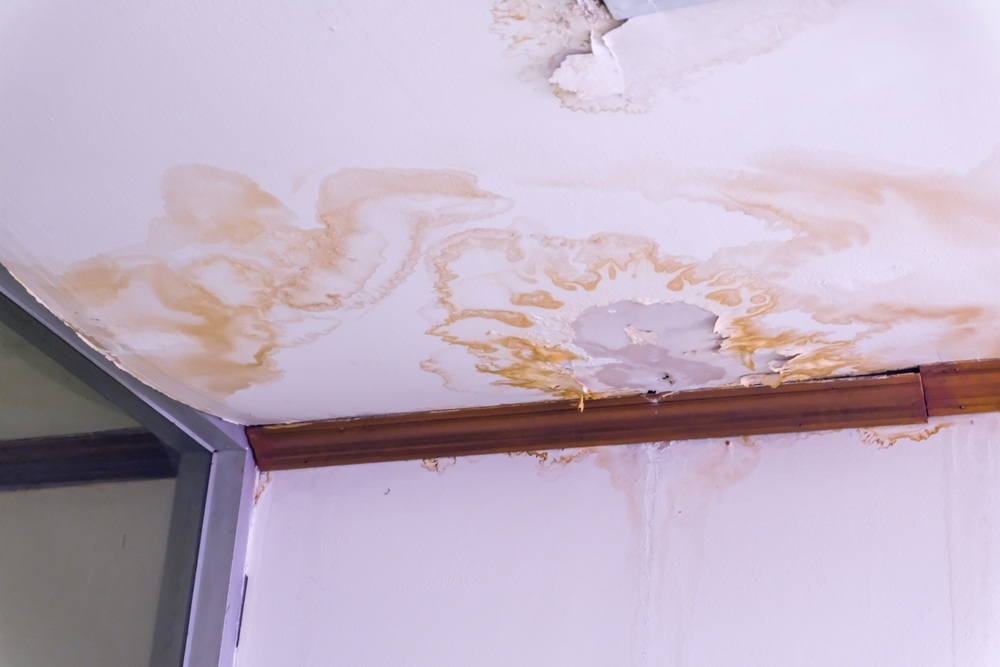
Stop the water and protect the area.
The first job is to stop the leak or intrusion. That may mean tarping a roof, sealing an opening, shutting off a water line, or removing soaked materials that keep spreading moisture. Right away, this helps limit new damage and makes the site safer.
Inspect the damage and make a plan.
Next comes a full review of what got wet and how far the moisture traveled. Some materials can be dried and saved. Others need to come out. At this stage, the goal is to make smart choices early so the job stays clean, organized, and cost-aware.
Remove standing water and start drying.
After that, pumps, vacuums, air movers, and dehumidifiers help pull moisture out of the space. Drying is not just about what looks wet on the surface. Hidden moisture inside walls, subfloors, and insulation can keep causing trouble if it is left behind.
Clean, sanitize, and address affected materials.
Once the area starts drying, damaged materials may need cleaning, treatment, or removal. This step matters a lot in kitchens, bathrooms, and commercial spaces where moisture can linger in tight spots. If mold risk is present, the cleanup plan needs extra care.
Repair and rebuild the damaged area.
Then the property moves into the rebuild phase. This can include drywall replacement, trim work, flooring, paint, insulation, and structural repairs. If the water damage came from a roof issue, roof repair or replacement may be part of the same project.
What Is Typical Cost for Water Damage Restoration?
A lot of people ask, “What is typical cost for water damage restoration?” The honest answer is that cost depends on the source of the water, how long it sat, how much material got wet, and how much rebuilding is needed after drying. A small, clean-water issue caught early can cost far less than a long-term leak that reached framing, insulation, cabinets, or electrical areas.
Cost usually goes up when:
- The leak stayed hidden for days or weeks.
- Mold shows up.
- Flooring, cabinets, or drywall need replacement.
- Structural framing needs repair.
- The source of the water, such as a failing roof, still needs to be fixed.
- The damage affects a business and work has to happen with limited downtime.
That’s one reason quick action pays off. The sooner the water damage restoration process begins, the better the chance of saving materials and trimming the repair scope.
The Water Damage Restoration Process for Homes and Businesses
Residential and commercial jobs can look very different. In a home, the focus may be protecting family spaces like bedrooms, kitchens, and bathrooms. In a business, the focus may include safety, keeping operations moving, and restoring customer-facing areas fast.
Quillen Construction Group handles both sides of that work. For broad property repairs, visit the General Contractor page. If the damage reaches high-use rooms, take a look at Kitchen Remodeling or Bathroom Remodeling. For office, retail, or other business needs, the Commercial Contractor page shows how Quillen Construction Group supports commercial properties.
Contact Quillen Construction Group for Water Damage Restoration Services in Louisiana
The water damage restoration process matters because water keeps moving until someone stops it, dries it, and repairs the damage the right way. A stain on a ceiling is often just the tip of the iceberg. Waiting can mean more damage, more expense, and more disruption.
Quillen Construction Group helps property owners take control of the problem at the source and move into solid repairs with a clear plan. For help with water damage, roofing concerns, or rebuild work, call 504-800-4126 or reach out through the Contact Page.
FAQs About the Water Damage Restoration Process
How long does the water damage restoration process take?
The timeline depends on the size of the loss and the materials involved. Some jobs move through drying in a few days, then into repairs. Bigger losses can take longer, mainly if roofing, framing, drywall, flooring, or finish work all need attention.
What is water damage restoration in plain language?
It is the full process of stopping the water, drying the building, removing damaged materials, cleaning the space, and rebuilding the damaged parts so the property is safe and usable again.
Can a roof leak lead to major interior damage?
Yes. A small roof leak can soak decking, insulation, ceilings, and walls over time. That is why roof-related water issues should never be ignored.
Can Quillen Construction Group handle repairs after drying?
Yes. Quillen Construction Group can help move from damage review into the repair and rebuild phase, which makes the project smoother for the property owner.