A house fire can leave behind far more than burned walls or a damaged roof. Heat can weaken framing, smoke can move through rooms that never saw flames, and water used to put out the fire can soak insulation, ceilings, floors, and cabinets. Once the fire department has cleared the property for safe access, the next job is figuring out what can be saved, what needs repair, and what must be rebuilt.
That’s where a professional fire damage restoration process comes in. Quillen Construction Group handles the job from the construction side, helping property owners assess damaged areas, secure the structure, repair roofing and framing, remove damaged materials, and rebuild affected spaces. For homeowners and business owners across Greater New Orleans, having one construction team coordinate the work can make a difficult situation much easier to manage.
What Is the Fire Damage Restoration Process After a House Fire?
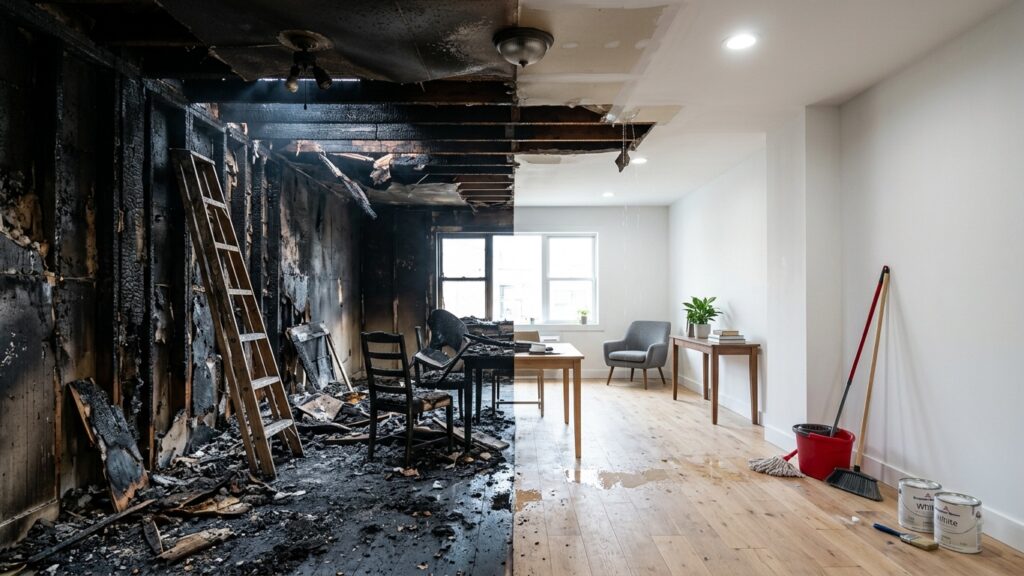
The fire damage restoration process is the series of steps used to make a fire-damaged property safe, clean, dry, repaired, and ready to use again. The exact work depends on where the fire started, how far smoke traveled, how much water entered the building, and whether the roof, walls, electrical system, or structural framing suffered damage.
Before anyone starts pulling out drywall or replacing shingles, the property needs a careful inspection. Fire damage can hide behind ceilings, inside wall cavities, under roofing materials, and around electrical lines. A room may look fine at a glance yet still have smoke residue, moisture, or heat-related damage behind the finished surfaces.
The U.S. Fire Administration provides recovery information covering the first 24 hours after a home fire, insurance matters, property salvage, and returning to a damaged home.
Step 1: Safety Check and Damage Inspection
The first part of the fire damage restoration process is checking the condition of the property. Entry should happen only after firefighters or local officials say the building is safe to enter.
From there, Quillen Construction Group can inspect visible damage and identify areas that need closer attention. This includes the roof, attic, framing, ceilings, walls, floors, windows, doors, and other building materials. A roof check matters after a fire since flames, heat, falling debris, and firefighting work can damage decking, rafters, shingles, flashing, and roof openings.
For larger repair jobs, working with an experienced general contractor keeps the repair work under one project plan. That can reduce confusion when roof repairs, interior demolition, framing, drywall, flooring, electrical work, and finish work all need to happen in the same property.
Step 2: Securing the Property
Next, the building may need temporary protection before cleanup and repairs begin. Broken windows, damaged doors, holes in the roof, and exposed wall sections can let rain, pests, and outside air enter the property.
Temporary board-up work or roof covering can help limit added damage. At the same time, damaged sections that could fall or shift may need to be blocked off. This stage gives the restoration crew a safer work area and protects parts of the home or business that survived the fire.
In New Orleans and nearby communities, rain can turn an open roof or broken window into another repair problem fast. For that reason, securing the structure is often one of the earliest jobs after the initial inspection.
Step 3: Documentation and Repair Planning
Before damaged materials disappear into a dumpster, photos, notes, measurements, and repair details can help create a clear record of the property’s condition. This information may support conversations with an insurance carrier and can help define the construction scope.
At this point, the repair plan starts taking shape. Some materials may be cleaned and kept. Other materials may need removal. Structural sections with fire or heat damage may require repair or replacement before interior finishes go back in.
A good plan should cover more than what looks burned. Smoke, soot, water, and heat can affect nearby rooms and building systems. For example, a kitchen fire may lead to cabinet replacement, wall repair, ceiling work, flooring repair, and ventilation cleanup.
If the fire leads to a larger rebuild, Quillen Construction Group can coordinate related kitchen remodeling or bathroom remodeling work as part of the repair scope.
Step 4: Water Removal and Drying
Firefighting water can create a second layer of property damage. Wet drywall can soften and break down, insulation can hold moisture, wood can swell, and flooring can trap water underneath.
So, the next phase may include removing standing water, taking out materials that can’t be saved, and drying wet areas. Moisture checks can help find water in spots that aren’t easy to see. Drying needs to happen before new drywall, insulation, cabinets, flooring, or paint goes into the space.
Skipping this stage can create trouble later. Trapped moisture may lead to odors, staining, damaged finishes, or mold growth. A clean rebuild starts with dry building materials and a repair area that’s ready for construction.
Step 5: Soot, Smoke, and Damaged Material Removal
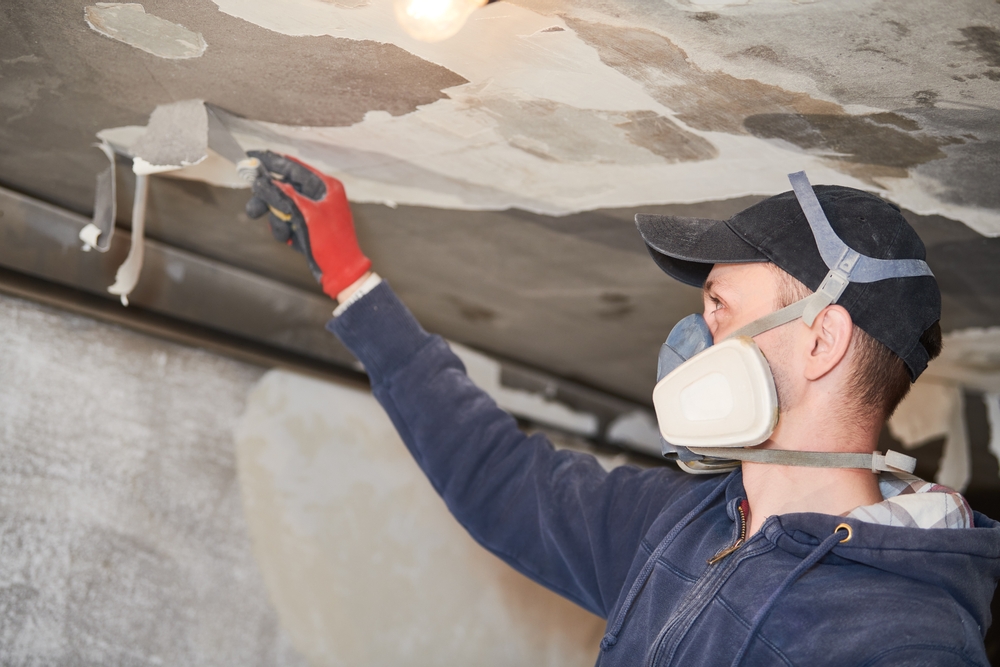
Smoke travels. It can move into hallways, closets, attics, wall cavities, and rooms far from the main fire. Soot can settle on ceilings, walls, trim, fixtures, and other surfaces.
During this part of the fire damage restoration process, damaged materials get removed and affected surfaces are prepared for cleaning, sealing, repair, or replacement. The amount of demolition depends on the condition of each area. A small contained fire may call for limited removal, yet a larger fire may require sections of ceiling, drywall, insulation, roofing, or framing to come out.
Smoke odor can stick around if the source remains inside porous materials. That’s why covering stains with paint and hoping the smell fades isn’t a proper repair plan. The affected material needs the right treatment before finish work begins.
Step 6: Roof and Structural Repairs
A fire can weaken the parts of a building that carry weight and keep weather out. Roof framing, wall studs, joists, decking, and other structural pieces may need repairs before the property can move into finish work.
From a roofing standpoint, this stage deserves close attention. Heat may damage shingles and underlayment beyond the burned section, and roof penetrations can become weak points after firefighting activity. If decking or rafters have damage, replacing surface roofing alone won’t solve the full problem.
Quillen Construction Group can manage roof and structural repair work as part of the broader construction plan. The goal is to rebuild the damaged area correctly from the framing outward rather than hide damage behind new finishes.
Step 7: Rebuilding Interior and Exterior Areas
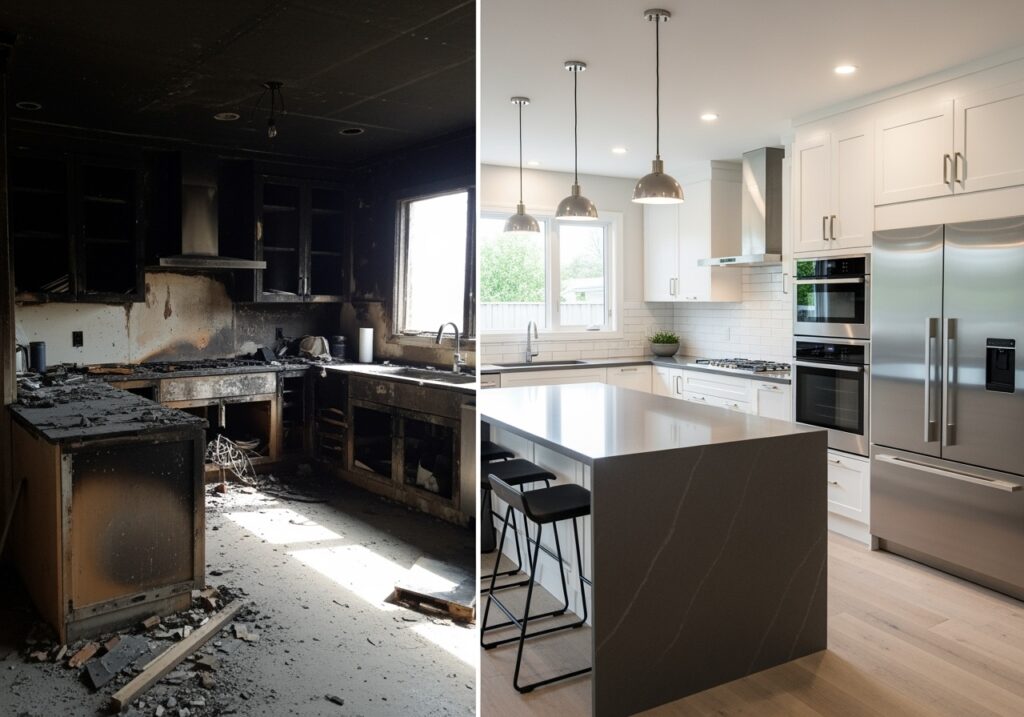
Once the damaged structure is stable, dry, and ready for construction, rebuilding can begin. This can include drywall, insulation, flooring, trim, paint, cabinets, doors, roofing, siding, fixtures, and other parts of the property.
This is the point where the project starts looking like a home or business again. In many cases, a fire repair project overlaps with renovation work, especially in kitchens, bathrooms, offices, retail areas, or other spaces with heavy finish damage.
Commercial properties may need a wider construction schedule involving work areas, access points, code items, and business operations. Quillen Construction Group can manage this type of work through its commercial contractor services.
Common Misconceptions About the Fire Damage Restoration Process
Homeowners often hear mixed advice after a fire. Here are several common misconceptions homeowners have about the fire damage restoration process:
“If an area isn’t burned, it doesn’t need inspection.”
Smoke, heat, and water can reach spaces that look untouched. For example, an attic above a damaged room may have smoke residue or wet insulation, and a roof may have hidden decking damage near the fire area.
“The smell will go away once the walls are painted.”
Fresh paint can cover a stain, but it won’t fix smoke contamination inside damaged porous materials. The source of the odor needs cleaning, treatment, sealing, or removal before finish work goes back on.
“The roof is fine if there’s no large hole.”
Fire and heat can affect roofing without leaving a wide opening. Shingles, underlayment, flashing, decking, rafters, and vents may need inspection before the roof gets cleared.
“Cleanup and rebuilding are separate problems.”
The two stages need to connect. If demolition happens without a repair plan, the construction phase can become harder to price and schedule. Quillen Construction Group can coordinate the repair path from damaged materials through final rebuilding.
What to Expect From a Professional Fire Damage Restoration Process With Quillen Construction Group
Property owners should expect clear communication, a defined repair scope, and a practical construction plan. After the initial damage review, the team can explain which areas need immediate protection, which materials may need removal, and which repairs should happen before interior finishes return.
Quillen Construction Group serves Greater New Orleans, the Southshore, and the Northshore. Property owners can review the company’s service area page to check local service coverage.
For fire-damaged homes and commercial buildings, the biggest benefit of using a construction group is continuity. Roofing, structural work, interior repairs, and remodeling can stay under a coordinated project instead of turning into a string of disconnected jobs.
Start the Fire Damage Restoration Process With Quillen Construction Group
A fire can leave a property owner with a long list of questions, but the repair plan doesn’t need to be scattered. Quillen Construction Group can help inspect the damage, secure affected areas, plan repairs, handle construction work, and rebuild damaged parts of a home or business.
If your property has fire, smoke, water, roof, or structural damage, call 504-800-4126 or use the Quillen Construction Group contact page to request help. Getting the right construction team involved early can make the fire damage restoration process clearer from the first inspection through the final repairs.
FAQs About the Fire Damage Restoration Process
How long does the fire damage restoration process take?
The timeline depends on the size of the fire, the amount of smoke and water damage, structural repairs, material availability, inspections, and the amount of rebuilding needed. A small repair can move much faster than a project involving roofing, framing, electrical work, and several rooms.
Can a home be repaired after major fire damage?
Many fire-damaged homes can be repaired, but the answer depends on the condition of the structure. A professional inspection can identify which sections remain sound and which sections need replacement.
Does fire damage restoration include roof repair?
It can. If the fire, heat, falling debris, or firefighting work damaged the roof, roof repair may become part of the restoration scope. Decking, rafters, underlayment, shingles, flashing, and vents may need attention.
Should smoke damage be cleaned before rebuilding starts?
Yes. Smoke residue, soot, odor sources, and damaged materials need to be handled before new finishes cover the area. This gives the rebuilt space a cleaner starting point and helps prevent smoke odor from returning.
Can Quillen Construction Group handle renovation work after fire repairs?
Yes. If the damaged area needs a new kitchen, bathroom, interior layout, roofing work, or a larger rebuild, Quillen Construction Group can connect restoration work with remodeling and general contracting services.