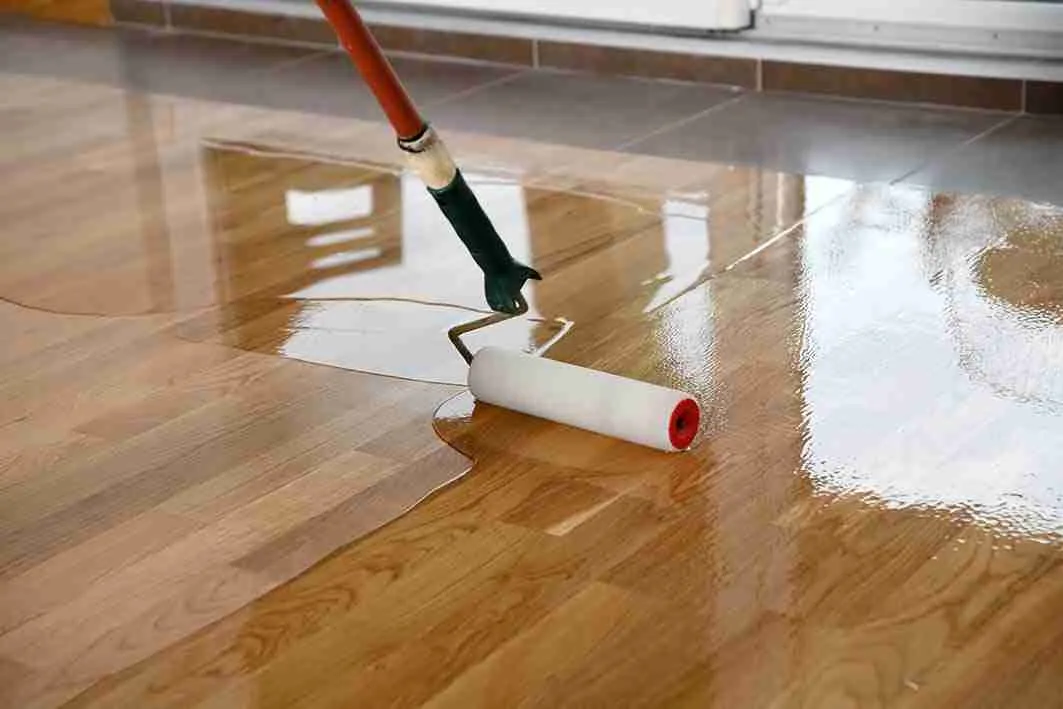

Storms can leave a property owner staring at missing shingles, wet ceilings, broken siding, fallen branches, or standing water. At first glance, the damage may look limited to one area. Yet wind and rain often push water behind walls, under flooring, and through roof openings where the problem keeps growing.
For that reason, the best way to repair storm damage is to follow a clear process. Safety comes first, then documentation, temporary protection, a full inspection, and planned repairs. Quillen Construction Group helps homeowners and business owners move through each stage with one contractor managing the work from the first inspection through the final rebuild.
Why Property Owners Should Repair Storm Damage Without Delay
A loose shingle, cracked flashing, or small ceiling stain may seem like a problem that can wait. Still, water can travel far from the point where it entered. It may soak roof decking, insulation, drywall, cabinets, trim, and flooring before a puddle appears.
As a result, quick action can reduce the amount of material that needs replacement. Fast storm damage restoration can limit mold growth, wood rot, electrical hazards, and indoor air concerns. It can create a cleaner record for an insurance claim.
Quillen Construction Group provides damage restoration services for storm, hurricane, flood, fire, and water damage. The crew can secure exposed areas, remove damaged materials, dry the space, and rebuild affected sections of the property.
Step 1: Stay Safe Before You Repair Storm Damage
First, check the area from a safe distance. Don’t climb onto a wet roof, step into standing water near electrical equipment, or walk beneath loose branches. A damaged building can shift, and a weakened ceiling may fall without much warning.
Ready by U.S. Department of Homeland Security recommends checking for downed electrical lines, gas leaks, and structural damage before entering a property after a disaster. If a gas smell, sparking wire, leaning wall, or sagging roof appears, leave the area and contact the proper emergency service.
Next, keep children, pets, tenants, and staff away from damaged rooms. Then, shut off utilities only when the shutoff point is safe to reach. Safety is the first repair step, since no roof, wall, or floor is worth an injury.
Step 2: Document Everything Before Crews Repair Storm Damage
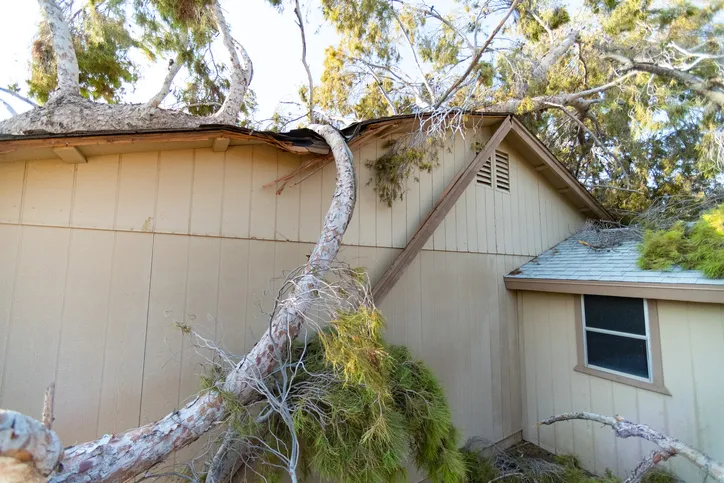
Once the area is safe, take clear photos and videos. Start with wide views of each damaged room or exterior wall. After that, capture close views of missing shingles, punctures, cracks, water stains, damaged furniture, wet flooring, and fallen debris.
Create a simple written record, too. Note the date of the storm, the time the damage was found, and any temporary action taken. Keep receipts for tarps, cleanup supplies, hotel stays, or emergency work. These records can help support an insurance claim.
At the same time, avoid throwing away damaged items before the insurer gives direction. If an item creates a health or safety concern, photograph it from several angles before removal. Quillen Construction Group can help organize repair details and provide a clear scope of work for the restoration project.
Step 3: Stop Added Water Entry to Repair Storm Damage
After documentation, stop more rain from entering the property. A professional crew may place a roof tarp, board a broken opening, remove loose debris, or extract standing water. These temporary steps don’t replace permanent repairs, yet the steps can keep a bad problem from getting worse.
Don’t attempt a roof tarp during rain, high wind, or lightning. In fact, even a dry roof can hide soft decking or loose materials. Calling trained storm damage repair contractors is safer than risking a fall.
Quillen Construction Group can manage emergency protection and full reconstruction through its general contractor services. One project team can coordinate roofing, framing, drywall, flooring, plumbing, electrical repairs, and finish work.
Step 4: Schedule a Full Inspection to Repair Storm Damage
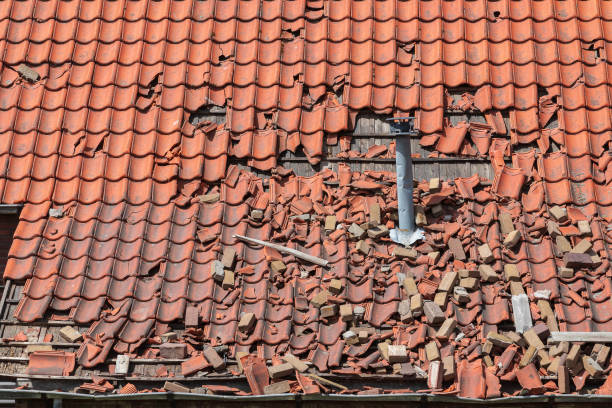
Next, arrange a full property inspection. A quick look from the driveway won’t show every issue. Wind may lift shingles without tearing them away, and water may enter around vents, flashing, windows, doors, or wall joints.
A storm inspection should cover:
- Roofing and drainage: The inspector should check shingles, metal panels, flashing, vents, gutters, downspouts, roof decking, and signs of impact. Small openings can send water into the attic and walls during the next rain.
- Exterior walls and openings: Siding, brick, stucco, windows, doors, soffits, and fascia need a close review. Wind-driven debris can crack finishes or loosen seals that once kept rain outside.
- Interior rooms: Ceilings, drywall, insulation, flooring, cabinets, and trim may hold hidden moisture. For example, storm water can enter above a kitchen and appear later near a cabinet base or wall outlet.
- Structure and building systems: Framing, electrical lines, plumbing, and HVAC parts may need testing after heavy water or impact damage. Early checks can prevent unsafe repairs and repeated demolition later.
Quillen Construction Group can inspect residential and commercial properties, create a repair plan, and manage each trade. Property owners can review the company’s areas served across Greater New Orleans, the Southshore, and the Northshore.
Step 5: Review the Repair Scope Before Contractors Repair Storm Damage
Then, ask for a written scope that explains what needs removal, drying, repair, and replacement. A clear scope should list labor, materials, work areas, project stages, and any permit needs. It should separate emergency work from permanent construction.
Here’s the catch: the lowest number on a quote may leave out hidden damage, disposal, code work, or finish repairs. Instead, compare the full scope. Ask how the contractor will handle moisture checks, damaged framing, roof decking, insulation, electrical work, and final cleanup.
Quillen Construction Group serves as a single point of contact from stabilization through reconstruction. That setup can reduce scheduling gaps and mixed messages between separate crews.
Step 6: Complete Interior Work as Crews Repair Storm Damage
Once the building is dry and stable, interior rebuilding can begin. Crews may replace insulation, drywall, flooring, cabinets, tile, trim, fixtures, or paint. The order matters. Wet materials must come out, framing must dry, and rough plumbing or electrical work must finish before walls close.
If storm damage reaches the kitchen, Quillen Construction Group can connect restoration work with kitchen remodeling. A damaged layout may need cabinet replacement, new counters, flooring, lighting, or appliance connections.
If water or impact damage reaches a bathroom, bathroom remodeling services can address tile, shower walls, flooring, ventilation, plumbing fixtures, and storage. This approach keeps repair decisions tied to the full room instead of patching one visible spot.
Step 7: Protect a Business as Teams Repair Storm Damage
Commercial storm loss creates another set of concerns. A damaged roof, wet ceiling, unsafe entry, or closed work area can interrupt daily operations and affect customers, employees, stock, or equipment.
For this reason, the repair plan should identify safe work zones, access routes, temporary closures, and the order of repairs. Quillen Construction Group’s commercial contractor services can coordinate restoration around the needs of offices, stores, hotels, and other business properties.
At the same time, business owners should keep photos, invoices, repair schedules, and records of lost access. Clear records help explain the event and the work completed.
Step 8: Choose Quillen Construction Group to Repair Storm Damage
Storm repairs often involve more than a roofer. A complete job may call for demolition, drying, framing, roofing, drywall, flooring, cabinets, paint, plumbing, and electrical work. Hiring separate companies for every task can create delays and unclear responsibility.
Quillen Construction Group manages construction projects from start to finish. The team can assess the loss, secure the site, plan the rebuild, coordinate trades, and complete the finish work. Property owners get one contractor for the full storm damage repair process.
Quillen Construction Group serves homes and businesses across the Greater New Orleans area. Whether the loss affects a roof, one room, or much of the property, the goal stays the same: stop added damage, rebuild correctly, and return the space to normal use.
Contact Quillen Construction Group for Damage Restoration Services in New Orleans
Storm damage can feel overwhelming, but the repair path becomes clearer when each step happens in the right order. Start with safety. Next, document the loss, block new water entry, schedule a full inspection, review the repair scope, and begin reconstruction with a contractor that can manage the whole job.
Quillen Construction Group provides storm damage repair services for homes and businesses across Greater New Orleans. Call 504-800-4126 or visit the Quillen Construction Group Contact Page to request an inspection and get the repair process moving.
FAQs About How to Repair Storm Damage
How soon should property owners repair storm damage?
Call for an inspection as soon as the storm passes and the property is safe to approach. Temporary protection and drying should begin early, since water damage can spread behind walls and beneath floors.
Can a property owner repair storm damage before an insurance inspection?
Emergency steps may be needed to prevent added loss. Take photos first, keep receipts, save damaged materials when safe, and contact the insurer for claim directions. A contractor can document temporary work and prepare a repair scope.
Who should property owners hire to repair storm damage?
Choose licensed and insured storm damage repair contractors who can inspect the full property and manage every needed trade. Quillen Construction Group can coordinate roof, structural, interior, plumbing, electrical, and finish repairs under one project plan.
Does Quillen Construction Group repair storm damage in commercial buildings?
Yes. Quillen Construction Group works on residential and commercial properties. The project plan can cover site safety, emergency protection, damaged materials, structural repairs, and full reconstruction.
Can remodeling be included when crews repair storm damage?
Yes, when the repair scope supports it and the property owner approves the added work. A damaged kitchen or bathroom may be rebuilt with updated materials or a revised layout during the restoration project.