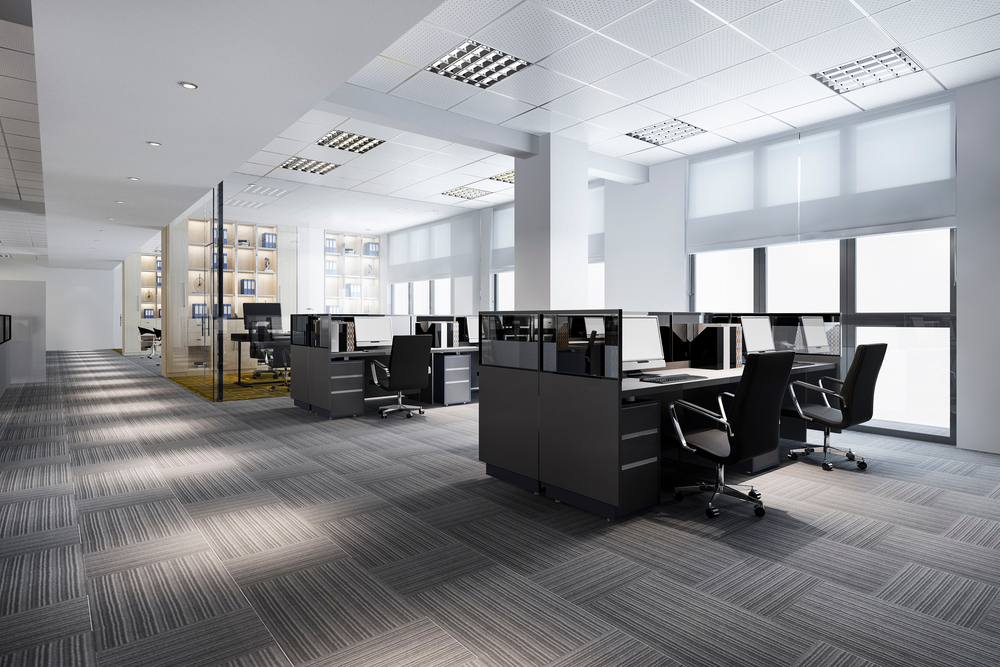

Commercial floors take a beating every day. Customers track in dirt, carts roll across the same paths, chairs scrape the surface, and cleaning products slowly wear away the finish. Before long, a floor that once looked clean and professional may appear dull, scratched, stained, or uneven. At that point, many property owners assume full replacement is the next step. In many cases, floor restoration can bring the surface back into service and add years to its useful life.
Quillen Construction Group helps commercial property owners look at the full condition of the floor, not just the worn top layer. Some floors need cleaning and resealing. Others need repairs, grinding, polishing, coating, or tile replacement in small sections. By matching the work to the actual damage, commercial floor restoration can save sound material and keep a business from paying for a complete tear-out too soon.
Why Floor Restoration Matters for Commercial Properties
A commercial floor affects more than appearance. It supports daily foot traffic, equipment, furniture, deliveries, cleaning, and customer movement. Once cracks, loose tiles, worn coatings, or uneven spots appear, the damage can spread. Dirt and moisture can work into open joints, chipped areas can grow, and weak sections may start to break apart.
Safety matters here too. The OSHA walking-working surfaces rule calls for walking surfaces to stay clean, orderly, and free from hazards such as loose boards, leaks, spills, and other unsafe conditions. A damaged floor does not always create an immediate emergency, yet worn or uneven areas can raise the chance of trips, slips, and daily complaints.
For that reason, floor restoration works best before small defects turn into wide damage. Early repairs can protect the base below the surface, restore traction, and make routine cleaning easier. In fact, a clean and even floor can make the whole property feel better cared for without changing the building’s layout.
Signs That Floor Restoration May Be Needed
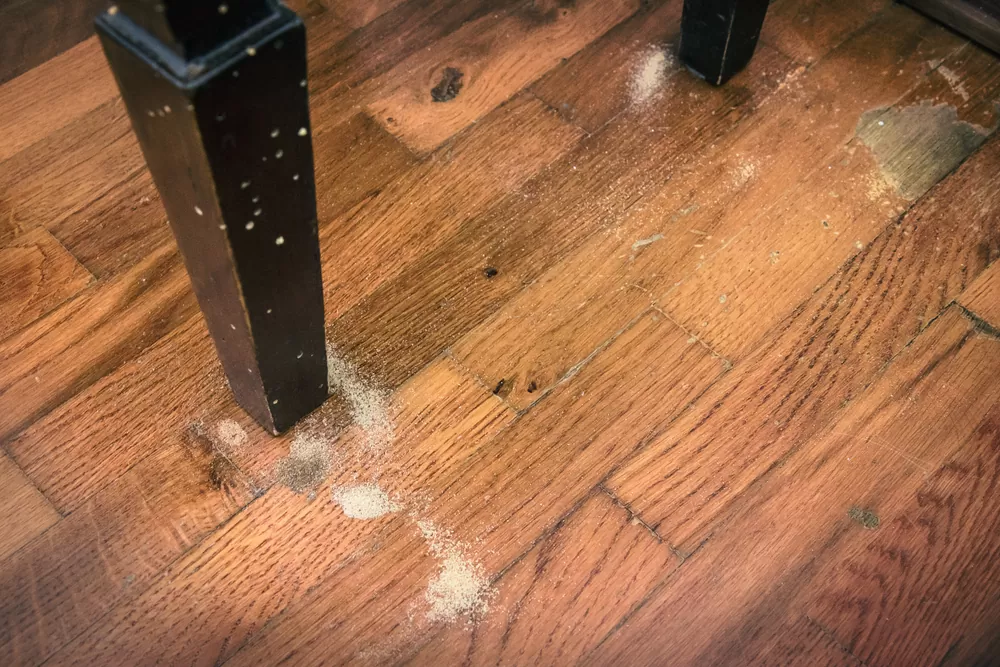
Property owners do not need to wait until flooring starts breaking apart. Several common signs can point to a need for commercial flooring restoration:
The finish looks dull or patchy
Heavy traffic often wears clear coats and sealers faster in entrances, hallways, checkout lanes, and work areas. A new finish or polished surface can restore a more even look and protect the material below.
Scratches, chips, or stains keep getting worse
Surface marks may seem minor at first. Still, open chips and deep scratches can collect dirt and moisture, which makes the area harder to clean and more likely to fail.
Tiles feel loose or grout lines have opened
Movement under tile can lead to cracked corners, hollow spots, and broken joints. Fixing the loose area early can keep nearby tiles from taking on extra stress.
The floor feels uneven underfoot
Raised edges, low spots, curled flooring, or damaged transitions can affect carts, wheelchairs, employees, and customers. A proper inspection can show whether the issue sits at the surface or in the base below it.
Cleaning no longer brings back the original look
Once old coatings, ground-in soil, and worn finishes build up, regular mopping may not be enough. Restoration can remove failed layers and prepare the floor for a fresh protective system.
How Floor Restoration Adds Years to Commercial Flooring
The main goal of floor restoration is to save what still works. Rather than removing every square foot, our team can identify weak spots, repair damaged sections, and renew the surface. This approach can stretch the flooring budget and reduce the amount of usable material sent out as waste.
Next, restoration can stop water and grime from reaching the layers below. Sealers, grout repairs, coatings, and joint work help close paths where moisture may enter. Once those paths stay open, the base can soften, stain, swell, or lose its bond. Closing them early gives the floor a better chance to hold up through daily use.
At the same time, a restored surface is often easier to maintain. Smooth finishes collect less soil than cracked or peeling areas. As a result, cleaning crews can spend less time scrubbing damaged spots, and the property can keep a more consistent appearance between service visits.
Restoration can support business planning too. A staged project may allow work to take place by room, hallway, tenant area, or operating zone. That can reduce shutdown time compared with a full removal and replacement project.
The Main Steps in Commercial Floor Restoration
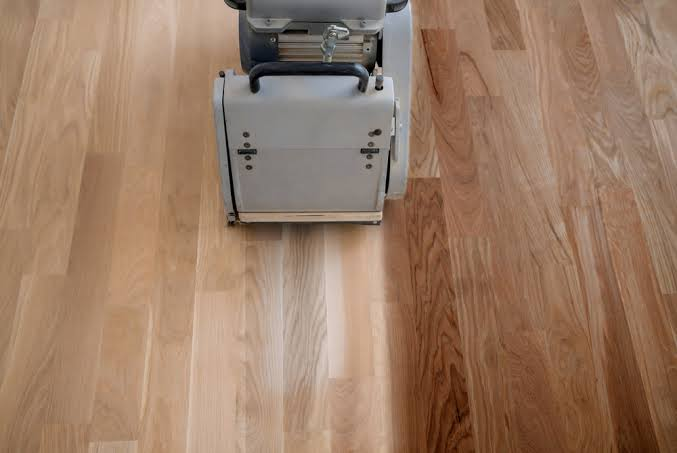
Every floor has its own history, so the work should start with a site review. Quillen Construction Group checks the flooring type, the amount of wear, the condition of joints and edges, signs of moisture, and the strength of the base. From there, a practical plan may include these steps:
- Inspect the full area and mark damaged sections. The inspection separates surface wear from deeper failure. It can reveal whether the floor needs a new finish, spot repairs, leveling, tile work, or a larger rebuild.
- Clean and prepare the surface. Old wax, grease, dirt, loose coating, and weak material must come off before repair products can bond. Proper preparation gives the new finish or patch a solid surface to hold onto.
- Repair cracks, joints, chips, and loose pieces. The crew fills damaged areas, resets or replaces loose material, and corrects uneven transitions where possible. This step protects the nearby flooring from added movement.
- Refinish, polish, seal, or coat the floor. The right finish depends on the material and the way the space gets used. A restaurant kitchen, retail store, office lobby, warehouse, and medical space may need different levels of traction, stain resistance, and wear protection.
- Set a care plan after the work. The right cleaning products and service schedule can help the restored surface last longer. Harsh chemicals, dirty pads, excess water, and skipped maintenance can wear a finish sooner than expected.
How to Restore Commercial Floor Tile With Floor Restoration
Property owners often ask how to restore commercial floor tile without replacing the entire room. The answer starts with the tile type and the cause of the damage. Ceramic, porcelain, stone, vinyl composition tile, and other materials need different repair and finishing methods.
In many tile projects, the crew removes soil and old finish, repairs grout, replaces broken tiles, resets loose pieces, and seals the surface where the material allows it. If moisture or movement under the tile caused the damage, the base needs attention before new pieces go in. Skipping that step can lead to the same cracks returning.
For projects tied to a larger renovation, Quillen Construction Group can coordinate flooring with general contractor services, commercial contractor work, and damage restoration. That makes it easier to address walls, cabinets, plumbing, water damage, and flooring in the right order. Quillen Construction Group serves commercial and residential projects across New Orleans, the Northshore, and the Southshore.
Planning Floor Restoration During a Larger Remodel
Floor work often connects with other construction tasks. A business may need new partitions, plumbing changes, cabinets, wall repairs, or updated fixtures at the same time. Scheduling the floor at the wrong stage can lead to scratches, dust, or repeat work.
For example, flooring may come after demolition and rough repairs but before final trim and furniture placement. A restaurant project may need kitchen equipment moved before the surface work starts. A hotel or office may need sections closed one at a time. Good sequencing keeps trades from working over a fresh finish.
Quillen Construction Group can connect commercial flooring restoration with kitchen remodeling and bathroom remodeling when a property includes food areas, break rooms, restrooms, showers, or shared facilities. Property owners can review the company’s areas we serve to check local service coverage.
Choose Quillen Construction Group for Floor Restoration
A worn commercial floor does not always need to come out. With the right inspection and repair plan, floor restoration can protect the existing surface, correct problem areas, support safer daily use, and delay a costly replacement.
Quillen Construction Group can review the floor, explain the repair choices in plain language, and coordinate the work with a wider commercial renovation or damage repair project. Call 504-800-4126 or visit the Quillen Construction Group contact page to request a free quote for commercial floor restoration.
Common Floor Restoration Questions
How long does floor restoration take?
The schedule depends on the floor size, material, damage, repair method, drying time, and access to the space. Small sections may take a short visit, yet larger coating, tile, or polishing projects may need several work periods. A site review gives the clearest answer.
Can every commercial floor be restored?
No. Some floors have damage that reaches the base, widespread moisture problems, severe movement, or material failure across most of the area. In that case, replacement may make better sense. A contractor should compare repair cost, remaining service life, downtime, and long-term use before making that call.
Is commercial floor restoration cheaper than replacement?
It often costs less when much of the existing floor remains sound. The final price depends on preparation, repairs, materials, access, and the finish selected. The best choice is the one that provides a safe, durable surface without paying twice for temporary work.
How often should a commercial floor receive restoration work?
There is no single schedule for every property. Traffic, moisture, cleaning products, equipment, sunlight, and flooring type all affect wear. Regular inspections can catch worn coatings, open joints, and loose pieces before a bigger repair develops.
Can floor restoration improve the look of an older business?
Yes. Cleaning, polishing, grout repair, patching, sealing, and coating can make an older floor look more even and cared for. The result can support the rest of the space without the cost and disruption of a full remodel.