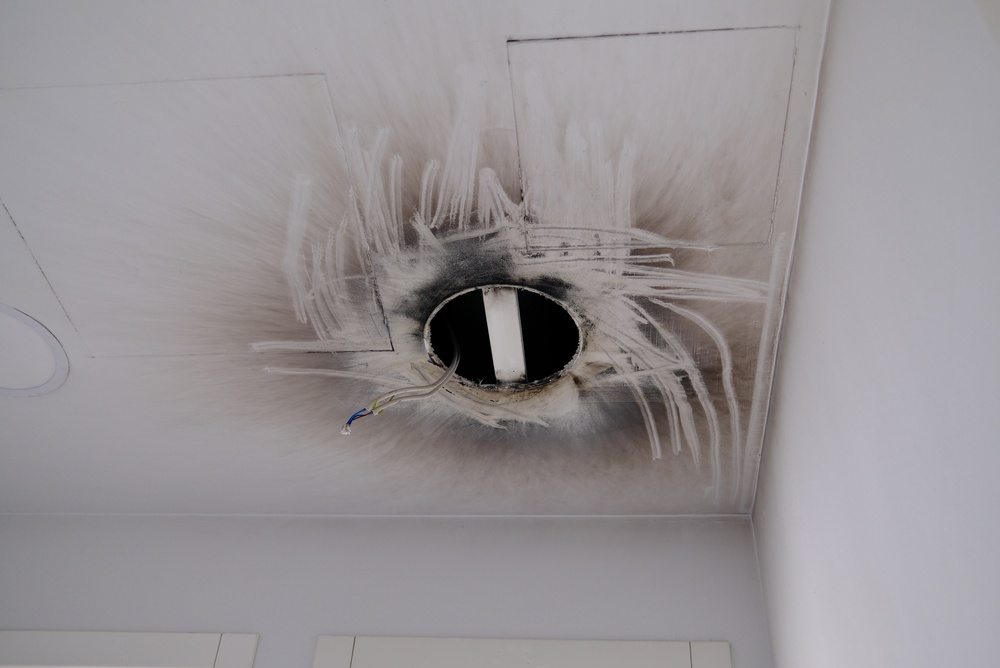

Walls take a beating over the years. A door slams too hard, a kid’s elbow goes right through the sheetrock, or a slow leak leaves an ugly brown stain on the ceiling. Whatever the reason, sooner or later, most homeowners and business owners ask the same question: how much does drywall repair cost? At Quillen Construction Group, that question comes up almost every day, so here’s a clear, honest answer.
The truth is, no two patch jobs price out the same way. Pricing leans on three big buckets: labor, materials, and finishing work. Once a customer sees how those pieces fit together, the final invoice starts to make a whole lot more sense. Let’s walk through each one.
What Drives Drywall Repair Cost in the First Place
Before getting into hard numbers, it helps to know what bumps the drywall repair cost up or down on any given job. Size of the hole matters most. A nail pop or doorknob ding is quick work, often under an hour. A football-sized hole, or a whole sheet that needs swapping out, takes longer and uses more product. Location plays a part too, since ceilings cost more than walls — the crew has to work overhead, often on ladders or scaffolding. Older homes can throw curveballs as well, with plaster walls, lead paint, or hidden wiring all changing the plan.
Here’s the thing: a tiny patch in a flat white wall might run $75 to $150, yet a larger repair on a textured ceiling could climb past $800. That’s a wide range, so a real walk-through is the only way to give a fair quote. For folks planning a bigger renovation, our general contractor team often rolls drywall fixes into the larger project for one clean price.
Labor: The Biggest Slice of Drywall Repair Cost
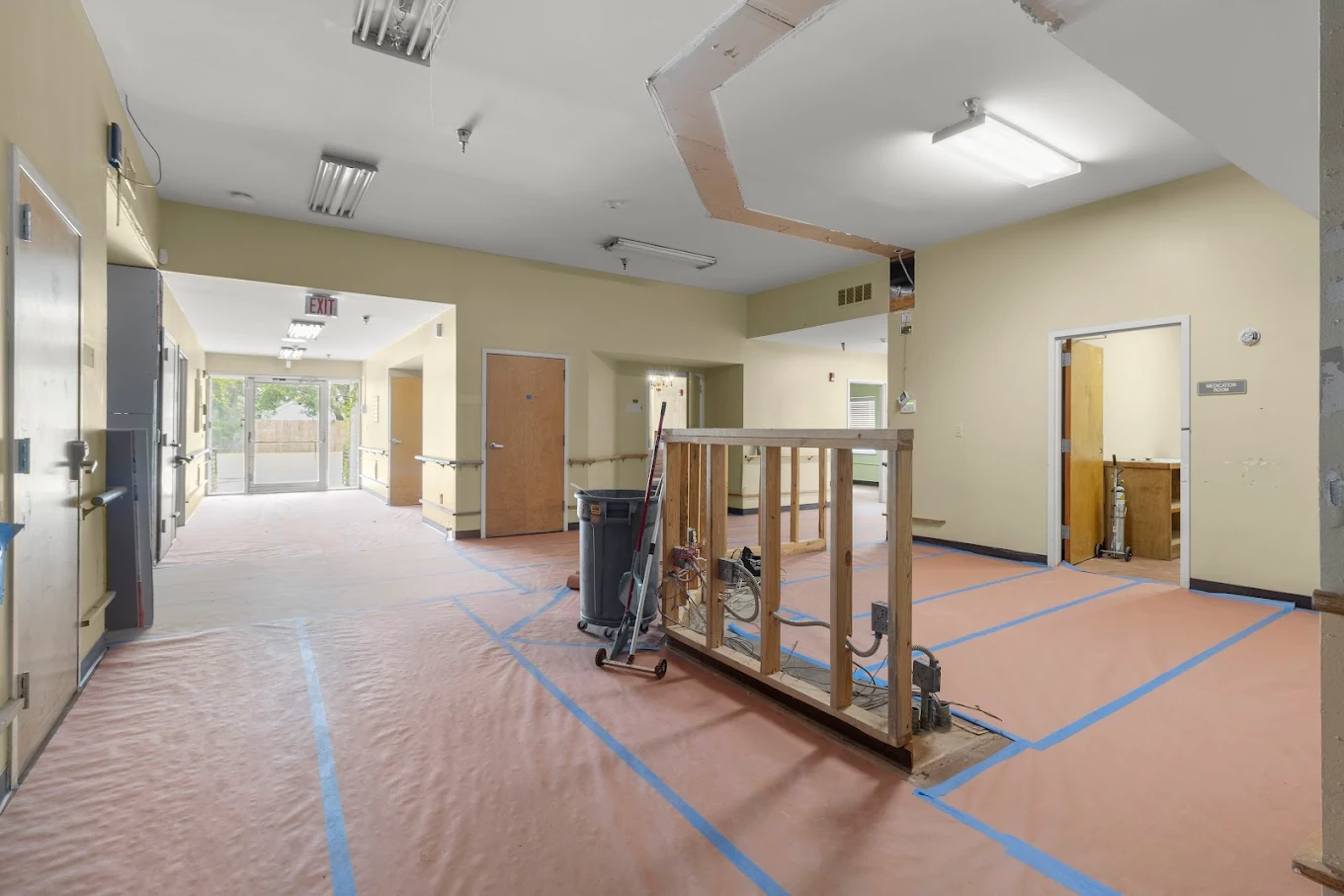
For most jobs, labor takes up the biggest chunk of the drywall repair cost. Skilled drywall finishers don’t just slap mud on a wall and call it a day. Each step — cutting out damage, framing a patch, taping seams, applying joint compound in thin coats, sanding, and texturing — takes time and a steady hand.
Hourly rates for trained installers in our area usually fall between $60 and $90 per hour. Smaller patch jobs get billed flat, often in the $150 to $400 range for a single hole. Bigger sections, full sheets, or water-damaged ceilings tend to land in the $500 to $1,500 ballpark once you add the prep, the cleanup, and the multiple visits needed for mud to dry between coats.
A few things that push labor higher:
Hard-to-reach spots.
Repairs on stairwell walls, vaulted ceilings, or tight closets all slow the crew down. Setting up scaffolding or moving heavy furniture eats up time, and that time shows up on the bill. Quillen always gives a heads-up if access is the main driver of the price, so you’re never caught off guard.
Texture matching.
Knockdown, orange peel, popcorn, and hand-troweled finishes each call for a different touch. Getting a fresh patch to blend in seamlessly with an old wall takes practice, plus extra dry time between passes. A bad match sticks out like a sore thumb, so we’d rather take the extra hour than rush it.
Water or mold damage.
A wet wall isn’t just a drywall problem. The crew has to check the framing, dry out the cavity, and sometimes pull in a plumber or roofer before any new sheetrock goes up. That coordination adds hours, though it saves a much bigger headache down the road.
Materials: A Smaller Yet Real Part of Drywall Repair Cost
Materials usually make up 15% to 25% of the total drywall repair cost on a small job, and a bit more on bigger projects. A standard 4×8 sheet of 1/2-inch drywall runs about $15 to $20 at the local supply yard. Moisture-resistant green board for bathrooms costs a few dollars more per sheet, and fire-rated Type X drywall, often used in garages or between units, costs a touch more again.
Beyond the sheet itself, the crew brings:
Joint compound and tape.
A five-gallon bucket of ready-mix mud goes for around $20, and paper or mesh tape adds another few bucks. Two or three coats of mud are standard on any patch, so a single bucket can stretch across several rooms. Quality matters here — cheap mud cracks, and cracks mean callbacks nobody wants.
Screws, corner bead, and shims.
These little pieces add up fast on bigger repairs. Metal or vinyl corner bead protects outside corners and runs about $5 per eight-foot stick. Skipping the bead saves a few dollars now yet causes chipping later, which always becomes a bigger fix down the line.
Sandpaper, primer, and dust control.
Sanding drywall makes a mess, plain and simple. Plastic sheeting, painter’s tape, and HEPA vacuums keep the dust out of the rest of the house. The cost is small per job, though it’s a big reason customers prefer hiring a pro over going the DIY route.
For older homes built before 1978, the U.S. Environmental Protection Agency requires lead-safe work practices on any project that disturbs painted surfaces. You can read the rules straight from the source on the EPA’s Renovation, Repair and Painting Program page. Quillen carries the proper certifications, so that piece is handled at no extra worry for you.
Finishing: Where Drywall Repair Cost Earns Its Keep
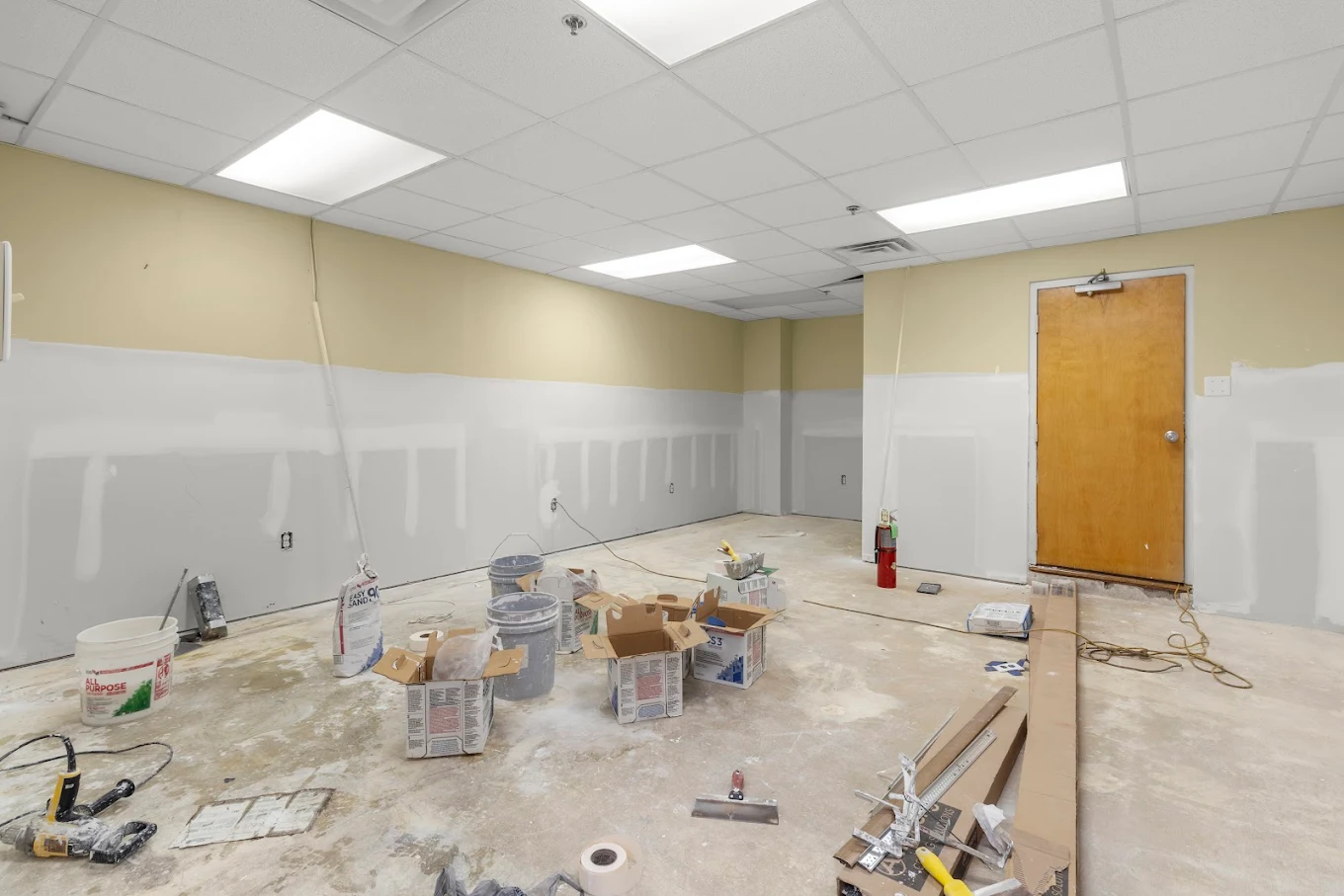
Finishing is the part most homeowners forget about in figuring out the cost to repair drywall. A patched hole isn’t really fixed till it’s smooth, primed, textured, and painted to match the rest of the wall. Skipping the finish leaves a visible scar, which kind of defeats the point of paying for the repair at all.
Finishing usually adds $1 to $3 per square foot for basic smooth walls, more for custom textures. Paint touch-up is another $50 to $200, depending on how much wall has to be repainted to blend the color. Since paint fades over time, a fresh spot of the original color rarely matches the older surrounding area. Plenty of clients end up having the full wall painted corner-to-corner for the cleanest look, and the crew can knock that out in the same visit.
Drywall finishing pairs naturally with bigger remodels, too. If you’re already planning a kitchen remodel or a bathroom upgrade, bundling the patch work into that scope saves a chunk of money since the crew is on-site anyway. The same goes for business owners — our commercial contractor team handles office, retail, and warehouse drywall repairs from small dings to wall-sized openings after plumbing or electrical work.
Sample Pricing: How Much Does Drywall Repair Cost in Real Life?
To put real numbers next to the conversation, here are some rough averages from recent Quillen jobs. Yours may differ, of course, since every home and every wall has its own quirks.
- Small hole or nail pop (under 4 inches): Roughly $100 to $200, fully patched and ready for paint. Quick visits like these usually wrap up in a couple of hours, and the dust footprint stays small.
- Medium hole (door knob to fist-sized, 4 to 12 inches): Around $200 to $500, including patch, tape, mud, sand, and texture match. A second short visit may be needed for final sanding once the mud sets up overnight.
- Large hole or full sheet replacement: Roughly $400 to $1,000 per section, which covers cutting back to the studs, hanging new sheetrock, three coats of mud, and finishing to match.
- Water-damaged ceiling section: $600 to $1,500 or more, since the source of the leak has to be fixed first and the affected area opened up, dried, and rebuilt before any new drywall goes in.
- Whole-room re-skin after a flood or renovation: $2,000 to $6,000+, depending on square footage and ceiling height. Insurance often picks up part of this on covered claims, so a quick call to your agent is smart.
The bottom line on the drywall repair cost question is that you’re paying for a finished result that looks like nothing ever happened and that’s exactly what Quillen aims to deliver on every visit.
Why Hire Quillen Construction Group for Drywall Repair Cost You Can Trust
Plenty of handymen offer to patch a hole for $75 cash. Sometimes that’s fine for a closet wall nobody sees. For anything visible, though, it pays to bring in a licensed crew that backs up the work in writing. Quillen Construction Group has built a reputation around clean job sites, honest quotes, and finished work that actually blends. No mystery fees, no surprise change orders, no chasing the contractor for a callback.
Our team handles everything from a single ceiling stain to full-property restoration after storm damage. Same crew, same project manager, start to finish — so you’re never guessing who’s coming through the door tomorrow morning.
Contact Quillen Construction Group for Drywall Repair Services in Louisiana
Cracks, holes, and water stains don’t fix themselves, and putting them off only lets the damage spread. So if you’ve been searching “how much does it cost to repair drywall” for the third week in a row, it’s time to get a real number from a real crew.
Call Quillen Construction Group today at 504-800-4126 or head over to our contact page for a fast, fair quote. Walls, ceilings, homes, offices, bring us the mess, and we’ll bring you a finish you’ll want to leave the lights on for.
Frequently Asked Questions About Drywall Repair Cost
How much does drywall repair cost on average?
Most small repairs run $150 to $400, mid-size jobs land between $400 and $1,000, and large jobs can climb past $2,000. The exact drywall repair cost depends on hole size, ceiling vs. wall, texture, and how easy the area is to reach.
Is it cheaper to repair drywall or replace it?
For damage smaller than a basketball, patching is almost always cheaper. Past that point, especially with water damage or sagging, full replacement often costs about the same once all the prep and finish work is added in — and gives a better long-term result.
Does homeowners insurance cover the cost to repair drywall?
Sometimes, yes. Sudden damage from burst pipes, storms, or accidents is often covered. Slow leaks, normal wear-and-tear, or settling cracks usually aren’t. Snap a photo of the damage and call your agent before any work starts.
How long does drywall repair take?
A small patch is usually a half-day visit, plus a second short stop for sanding and paint once the mud dries. Bigger jobs run two to five days, mostly waiting on dry time between coats.
Can I get a free estimate from Quillen?
Yes, free, no pressure, no strings attached. Give us a ring and we’ll set up a walk-through that fits your schedule.