Choosing the right bathroom flooring isn’t just about finding a color or pattern that looks good. Your bathroom floor handles moisture, wet feet, daily cleaning, and regular foot traffic. Pick the wrong material, and you could end up dealing with slippery surfaces, water damage, or repairs sooner than expected.
So, what is good material for bathroom floor renovations? Porcelain tile, ceramic tile, luxury vinyl, and natural stone are some of the most popular choices. Still, each material has its own benefits, drawbacks, and maintenance needs.
For homeowners planning a bathroom remodeling project in New Orleans, Quillen Construction Group can help compare flooring materials based on your budget, bathroom layout, and daily needs.
Here’s a closer look at seven bathroom flooring options to help you make the right choice.
7 Bathroom Floor Options Worth Considering
Before choosing a bathroom floor material, think about how much water reaches the floor, how often you clean it, and how long you want it to last. Some materials handle moisture better, yet others provide a softer surface underfoot.
1. Porcelain Tile
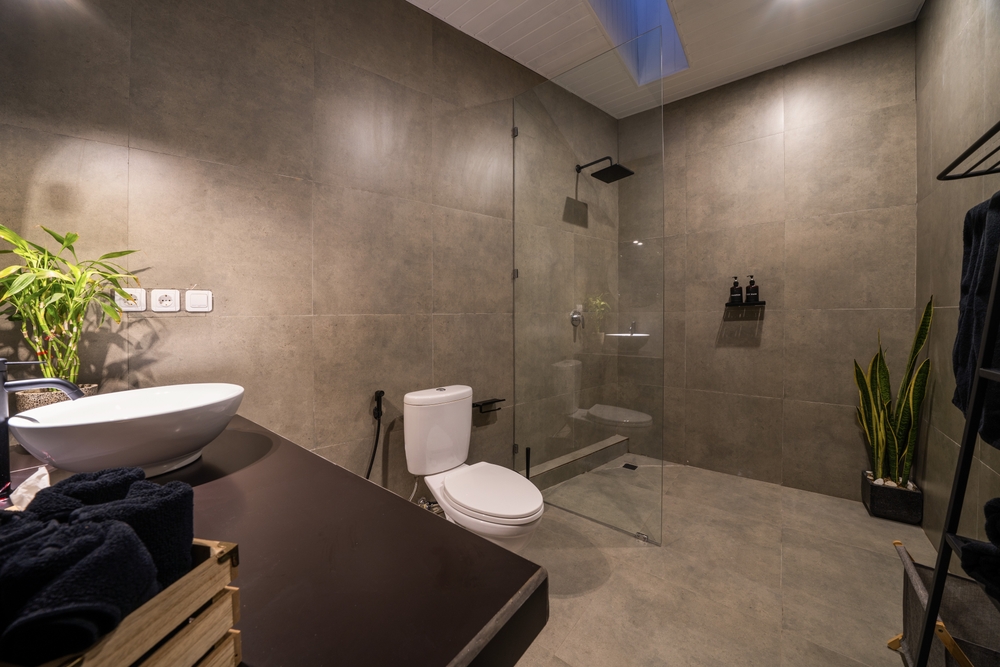
Porcelain tile is one of the best choices for bathroom flooring, especially in busy households. Manufacturers fire porcelain at high temperatures, creating a dense material that absorbs very little water.
For this reason, porcelain works well in bathrooms with frequent splashes, steam, and heavy foot traffic. Plus, it comes in plenty of colors and patterns, including designs that resemble wood, marble, and concrete.
Pros:
- Excellent water resistance
- Strong resistance to scratches and stains
- Long lifespan with proper installation
- Plenty of styles and finishes
Cons:
- Hard and cold underfoot
- Higher installation costs than some other materials
- Requires careful installation and suitable grout
Best for: Primary bathrooms, family bathrooms, and high-traffic spaces.
For New Orleans homeowners, porcelain tile is often a practical investment. Still, proper waterproofing beneath the tile matters just as much as the tile itself.
2. Ceramic Tile
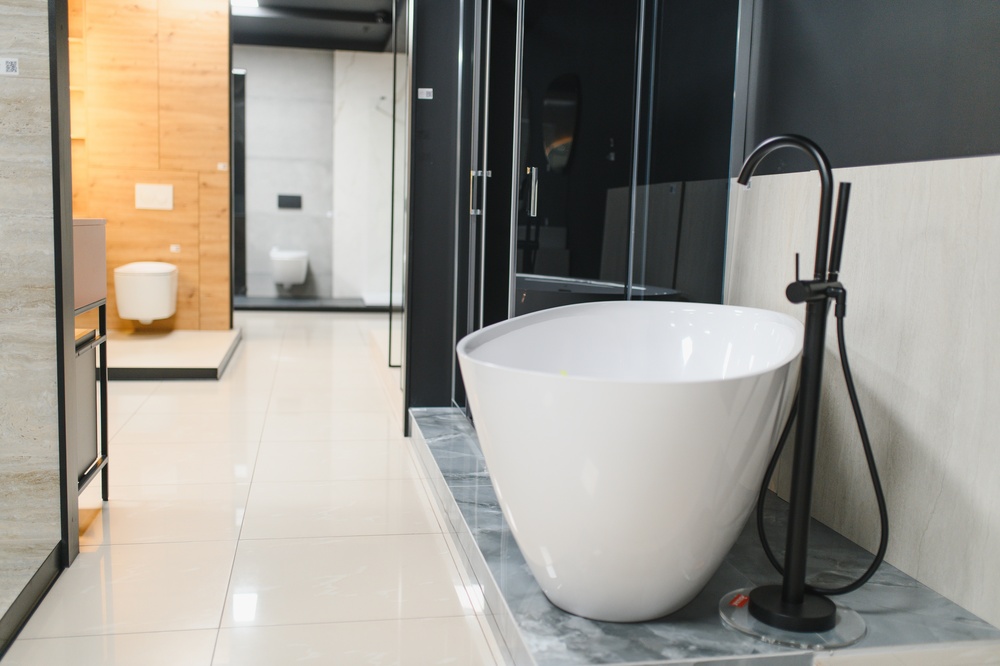
Ceramic tile is another popular material for bathroom floor projects. It looks similar to porcelain, but ceramic usually costs less and offers plenty of design choices.
In comparison, ceramic tile tends to absorb more water than porcelain, depending on the product. For a standard bathroom floor outside the shower, glazed ceramic floor tile can be a suitable choice.
Pros:
- Usually more affordable than porcelain
- Easy to clean with regular maintenance
- Available in different shapes and colors
- Suitable for many residential bathrooms
Cons:
- Can chip or crack under heavy impact
- Some products absorb more moisture
- Glossy finishes can become slippery when wet
Best for: Guest bathrooms, powder rooms, and budget-conscious renovations.
For homeowners updating a bathroom without spending too much, ceramic tile can provide a clean, attractive finish at a reasonable cost.
3. Luxury Vinyl Plank (LVP)
Luxury vinyl plank flooring has become a popular choice for homeowners who want a wood-like appearance without the maintenance of natural hardwood.
Many LVP products have waterproof surfaces and cores, making the material suitable for bathroom floors. Still, water can reach the subfloor through joints, edges, or poorly sealed areas.
Another advantage is comfort. Vinyl feels softer and warmer underfoot than porcelain or ceramic tile.
Pros:
- Comfortable underfoot
- Many affordable options
- Available in realistic wood and stone designs
- Easier installation than many tile products
Cons:
- Can dent or scratch under heavy objects
- Excess moisture beneath the flooring can cause problems
- Some products aren’t suitable for every bathroom installation
Best for: Family bathrooms, guest bathrooms, and homeowners looking for wood-style flooring.
For larger home renovations, LVP can create a matching appearance across several rooms. Quillen Construction Group can help homeowners coordinate flooring choices during kitchen remodeling and bathroom renovations.
4. Natural Stone Tile
Natural stone gives bathrooms a distinct appearance. Marble, slate, travertine, and granite can create anything from a traditional design to a more modern finish.
Each stone has different characteristics. For example, some slate finishes provide more texture, and polished marble may become slippery when wet.
That said, natural stone usually requires more maintenance than porcelain. Many types need sealing to reduce moisture absorption and staining.
Pros:
- Natural colors and patterns
- Durable with proper care
- Creates an attractive, high-end finish
- Available in several stone varieties
Cons:
- Higher material and installation costs
- Some stones require regular sealing
- Certain finishes become slippery when wet
- May stain or react to acidic cleaning products
Best for: Primary bathrooms, custom renovations, and homeowners who prefer natural materials.
If you’re considering marble or another premium material, review where to spend money when remodeling a bathroom before setting your budget.
5. Luxury Vinyl Tile (LVT)
Luxury vinyl tile offers many of the same benefits as luxury vinyl plank. The biggest difference is its appearance. LVT often resembles ceramic tile, limestone, marble, or other stone flooring.
For homeowners who like the look of tile but want a softer surface, LVT can be a good option.
In fact, many luxury vinyl tile products require less maintenance than natural stone. You won’t need to seal the vinyl surface like certain stone materials.
Pros:
- Comfortable and relatively warm underfoot
- Available in different stone-style designs
- Simple cleaning and maintenance
- Often less expensive to install than natural stone
Cons:
- May scratch or dent over time
- Product quality varies
- Improper installation can allow moisture beneath the floor
Best for: Small bathrooms, guest bathrooms, and affordable bathroom upgrades.
Before purchasing, check the manufacturer’s bathroom installation requirements and warranty details.
6. Sheet Vinyl Flooring
Sheet vinyl is worth considering if keeping costs low is a priority. Unlike vinyl planks or individual tiles, sheet vinyl comes in large rolls that can cover smaller bathroom floors with very few seams.
Fewer seams can reduce opportunities for surface water to pass through the flooring. Still, installers must pay close attention to edges, fixtures, and other areas where moisture might enter.
Pros:
- Budget-friendly material
- Comfortable to walk on
- Easy to clean
- Minimal seams in smaller bathrooms
Cons:
- Can tear or dent
- Fewer premium design choices
- Repairs may be more noticeable than replacing individual tiles
Best for: Rental properties, secondary bathrooms, and renovations with limited budgets.
For property owners planning several restroom upgrades, Quillen Construction Group’s commercial contractor services can help with flooring selection and construction planning.
7. Waterproof Laminate Flooring
Waterproof laminate flooring offers the look of hardwood at a lower price. Modern laminate products can resist everyday splashes, making certain options suitable for bathrooms.
Still, waterproof laminate and water-resistant laminate aren’t the same thing. Some products tolerate standing water for a limited period, and others can swell once moisture reaches the core.
Pros:
- Attractive wood-style appearance
- Often more affordable than hardwood
- Comfortable underfoot
- Scratch-resistant wear layers on many products
Cons:
- Water resistance varies by manufacturer
- Standing water can damage certain products
- Requires careful installation around tubs and toilets
Best for: Powder rooms and lower-moisture bathrooms when the manufacturer approves the installation.
For bathrooms with frequent water exposure, porcelain tile or a suitable vinyl product may be a better choice.
What Is Good Material for Bathroom Floor? Comparing the Best Options
The right flooring depends on your budget, maintenance preferences, and how you use the bathroom.
|
|
|
|
|
|
|
|
|
|
|
|
|
|
|
|
|
|
|
|
|
|
|
|
|
|
|
|
|
|
|
|
|
|
|
|
|
|
|
|
Water resistance describes the flooring material, not the entire floor system. Seams, edges, and the subfloor still need proper moisture protection.
For most homeowners, porcelain tile provides a strong balance of durability, appearance, and water resistance. Meanwhile, luxury vinyl offers a more affordable option with added comfort.
What Is Good Material for Bathroom Floor? Factors to Check Before Buying
Finding the right bathroom floor involves more than comparing product prices. A few practical details can make a big difference in how the finished bathroom performs.
- Water resistance: Bathrooms face frequent splashes and humidity. Choose flooring that can handle moisture, and make sure the installation includes suitable protection for the subfloor.
- Slip resistance: Safety matters, especially for children, older adults, and anyone with limited mobility. The U.S. Access Board’s guidance on floor surfaces explains that accessible surfaces must be firm, stable, and slip resistant. Look for flooring finishes intended for wet areas rather than choosing a polished surface based on appearance alone.
- Cleaning and maintenance: Some materials need little more than regular sweeping and mopping. Natural stone, in comparison, may need special cleaners and periodic sealing to maintain its appearance.
- Installation costs: The flooring price is only part of your budget. Subfloor repairs, waterproofing, tile setting, and labor can add to the total expense. A professional inspection helps identify problems before construction begins.
- Long-term comfort: Hard tile can feel cold underfoot, and textured flooring may require extra effort to clean. Consider how the floor will feel and function during everyday use.
For accessible bathroom renovations, Quillen Construction Group provides more information in its guide to ADA-compliant bathroom remodels in New Orleans.
What Is Good Material for Bathroom Floor? Get Help From Quillen Construction Group
The best bathroom floor should look good, handle everyday moisture, and stay comfortable and safe for years. Porcelain and ceramic tiles are reliable choices for many bathrooms, and luxury vinyl offers an affordable alternative. Natural stone can create a distinct finish for homeowners prepared for the extra maintenance.
In the end, choosing the right material is only half the job. Proper installation, a sound subfloor, and moisture protection make the difference between a bathroom that lasts and one that needs early repairs.
Quillen Construction Group provides professional general contracting and bathroom remodeling services in New Orleans and surrounding communities. From removing outdated flooring to planning a complete renovation, the team can help select materials that fit your space, style, and budget.
Visit the areas served page to check local service availability.
Ready to upgrade your bathroom flooring? Call Quillen Construction Group at 504-800-4126 or contact the team online to discuss your bathroom remodeling project and request a quote.
What Is Good Material for Bathroom Floor? Frequently Asked Questions
What is the best bathroom flooring for preventing water damage?
Porcelain tile is a strong option thanks to its low water absorption. Sheet vinyl and suitable luxury vinyl products can work well, too. Still, waterproofing and proper installation play a major role in protecting the subfloor.
What is the most affordable bathroom floor material?
Sheet vinyl and certain ceramic tiles are among the more affordable choices. Luxury vinyl can fit a smaller budget, too. Before deciding, compare the complete installation cost rather than the material price alone.
Is vinyl or tile better for bathroom flooring?
Tile usually offers greater resistance to wear and a longer potential lifespan. Vinyl, in comparison, tends to feel warmer and softer underfoot. The better option depends on your budget, preferred appearance, and maintenance needs.
What bathroom flooring is easiest to clean?
Porcelain tile, glazed ceramic tile, and vinyl flooring are relatively easy to maintain. Larger tiles with fewer grout lines can make cleaning simpler, too. For long-term care, follow the flooring manufacturer’s recommended cleaning methods.
Can bathroom flooring be installed over existing flooring?
Sometimes, yes. The existing surface must be stable, level, dry, and suitable for the new material. In other cases, removing the old flooring allows the contractor to inspect the subfloor and address hidden moisture damage.